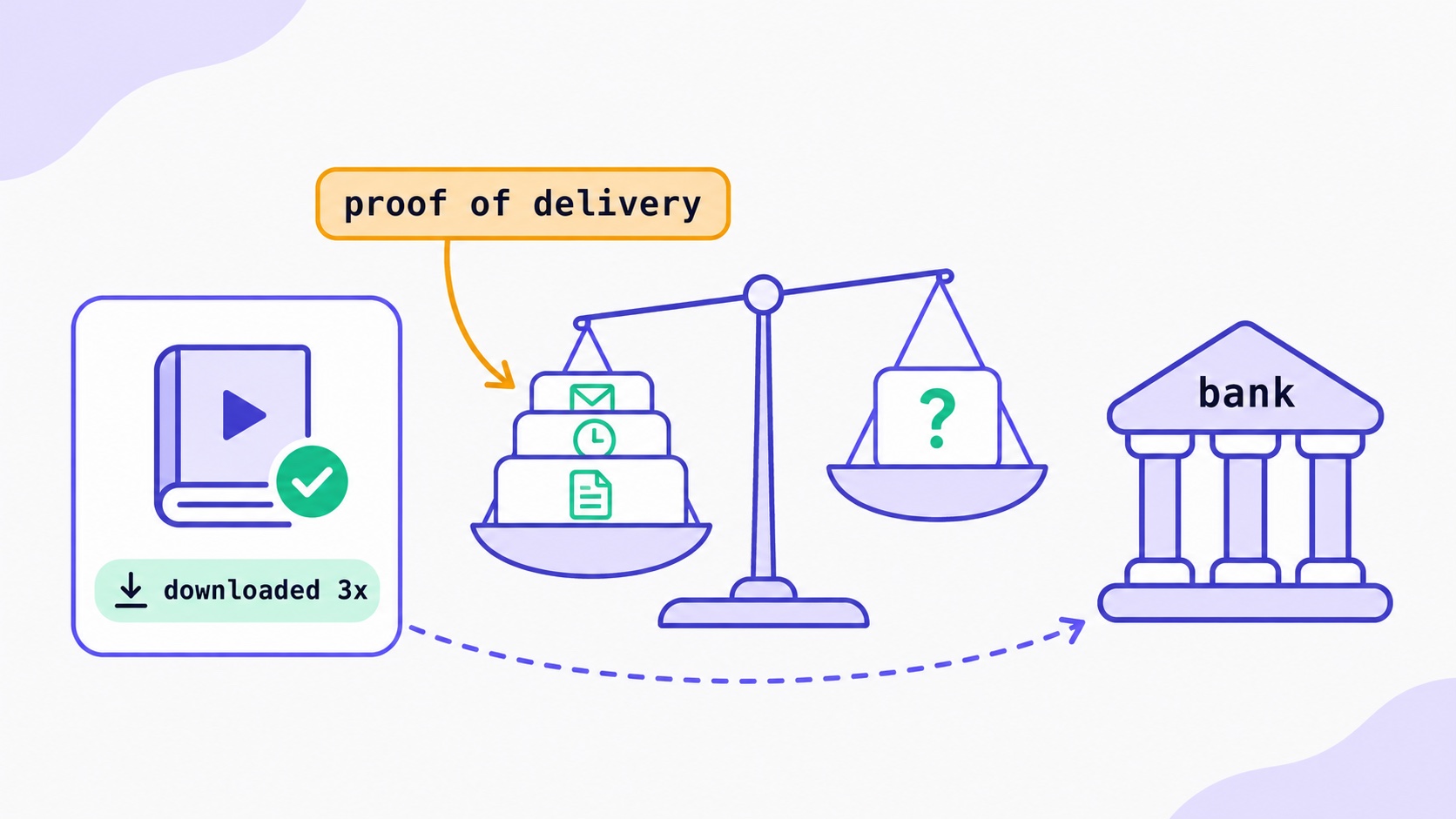
Someone Downloaded Your Course, Then Called Their Bank.
What a chargeback on a digital product really costs, the seven changes that prevent most disputes, a refund policy you can copy, the evidence that wins for downloads, and when to accept.
Playbooks, tutorials, and best practices to build, grow, manage, and monetize your audience.
74 articles

What a chargeback on a digital product really costs, the seven changes that prevent most disputes, a refund policy you can copy, the evidence that wins for downloads, and when to accept.

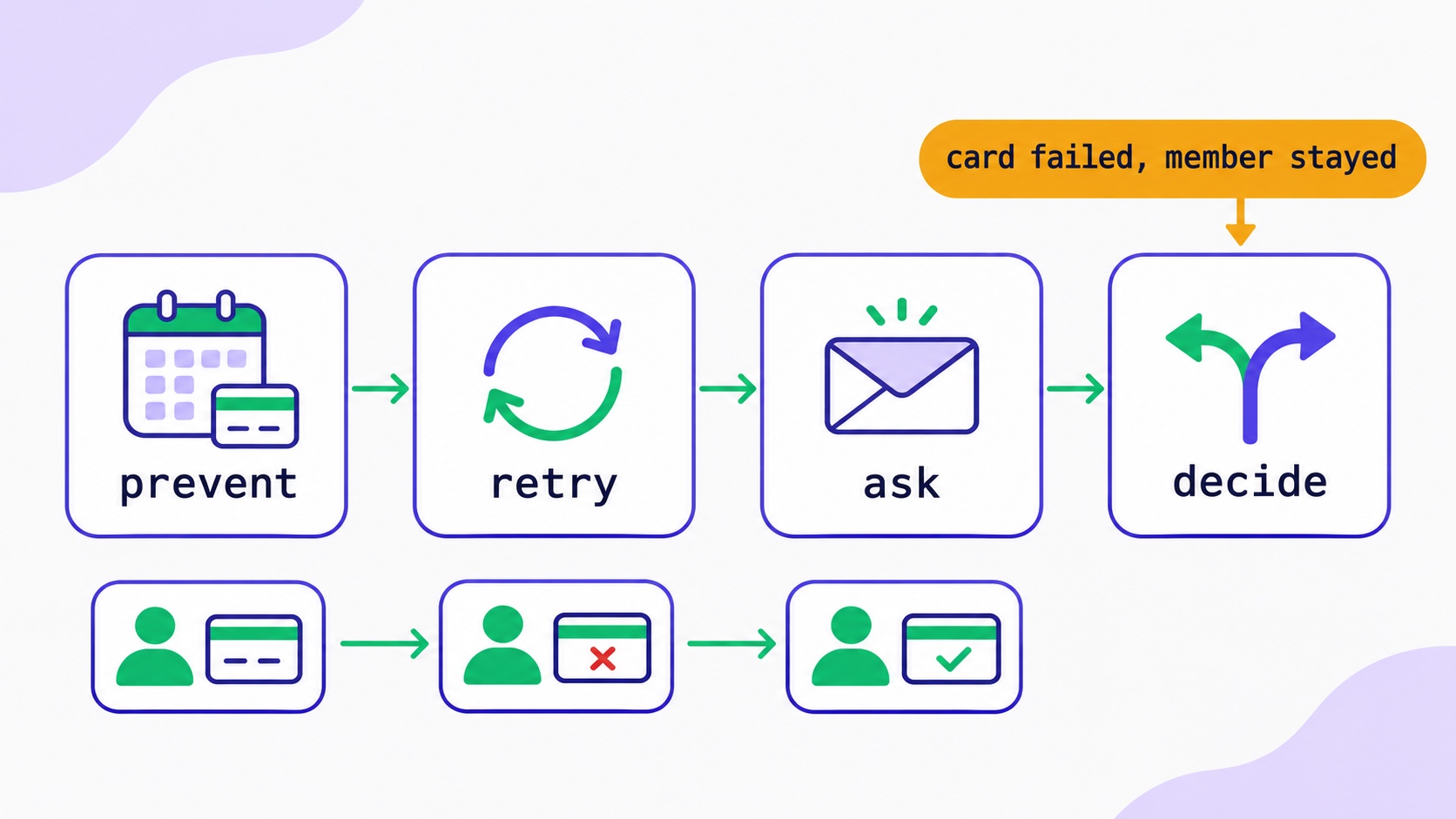
Failed renewals are the cheapest churn to fix. Four layers to recover them: prevent, retry, ask and decide, with Stripe settings, a dunning sequence to copy and the rules for Indian cards.

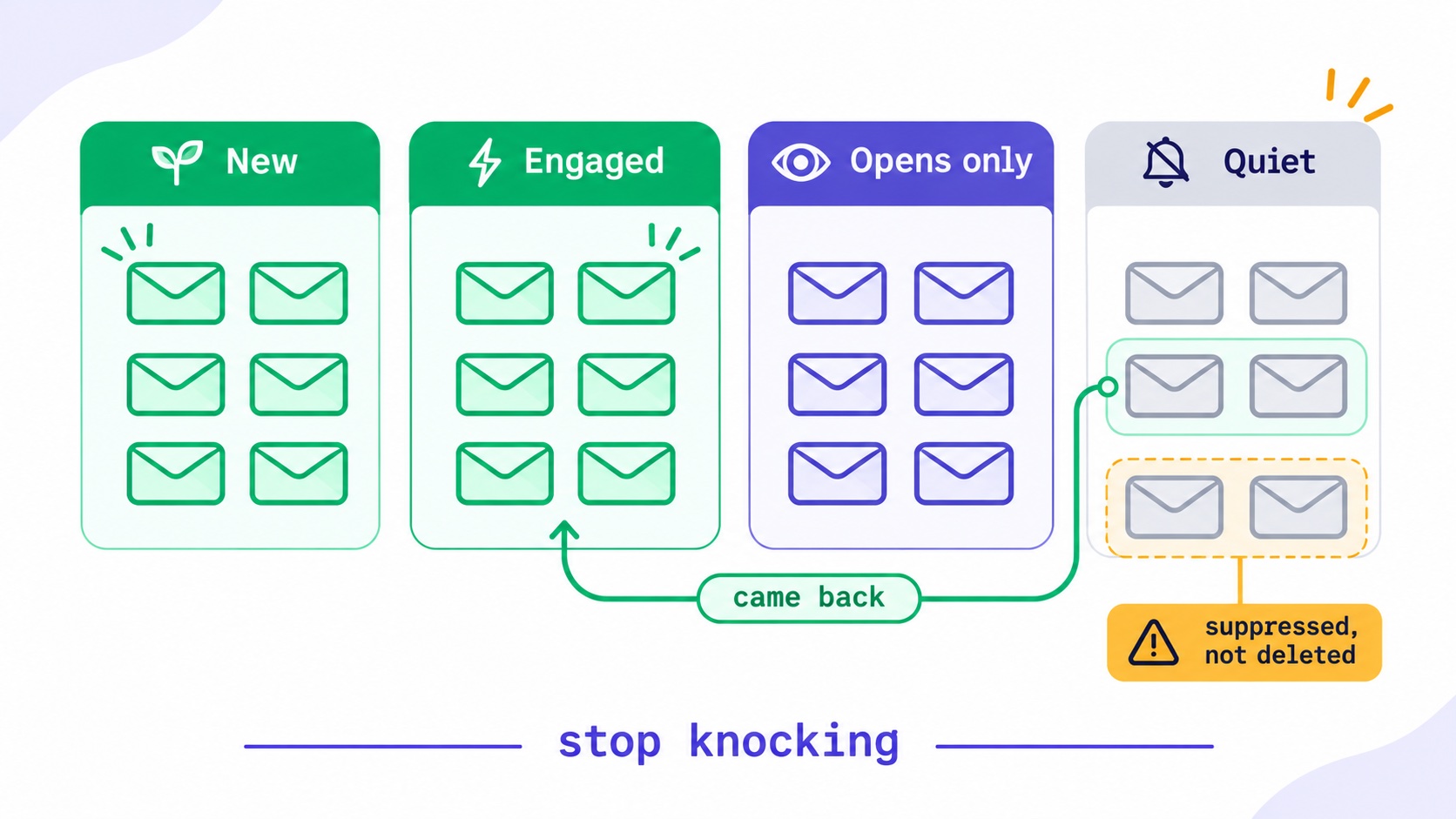
When to remove inactive subscribers, as a six-step worksheet: define engagement beyond opens, pick a window, ask the quiet group, then suppress rather than delete. With re-engagement emails you can copy.

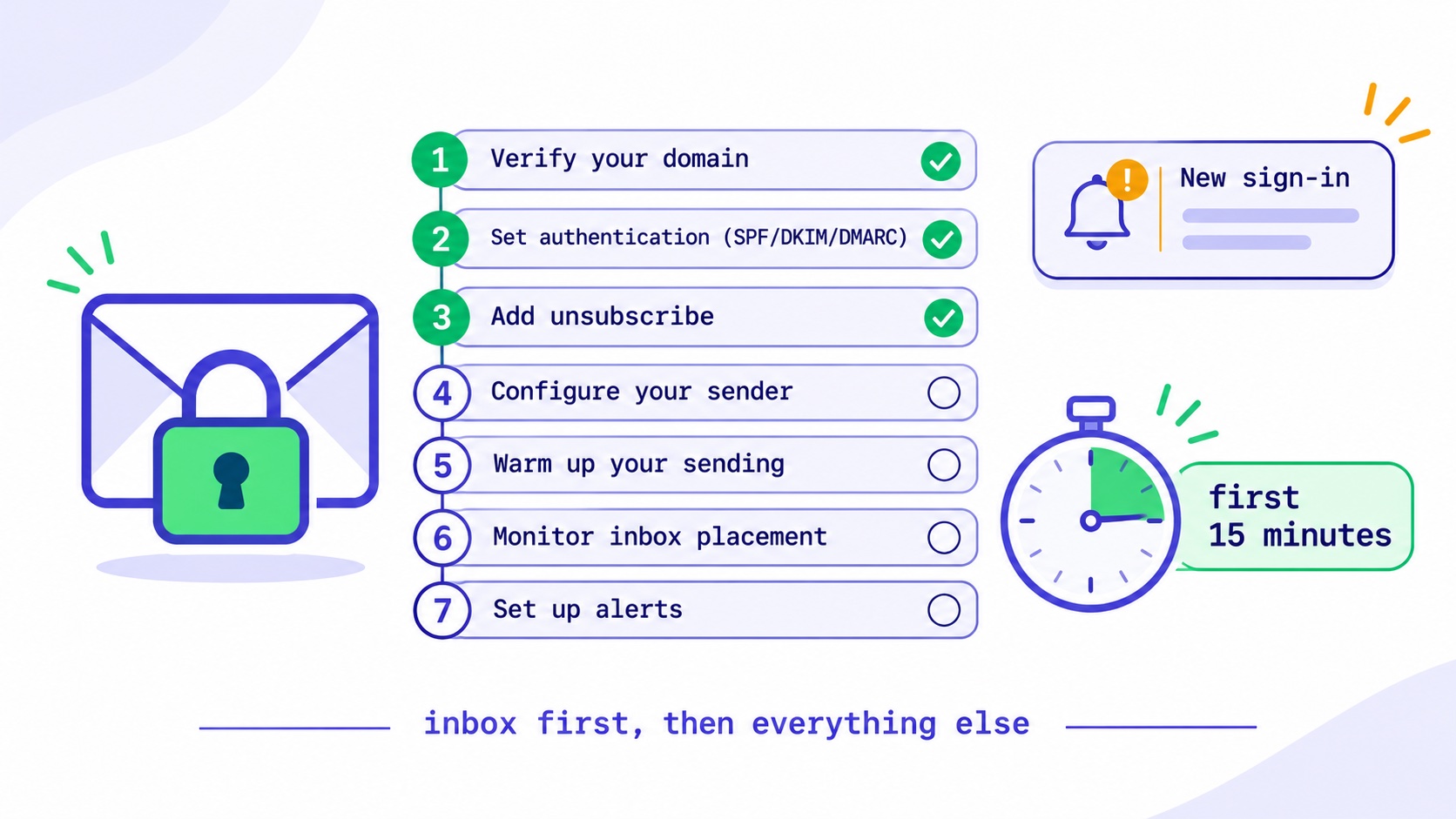
An attacker with your newsletter account holds your list and your sender reputation. What to do in the first 15 minutes, what to check in the first hour, how to tell readers, and when you must report it.
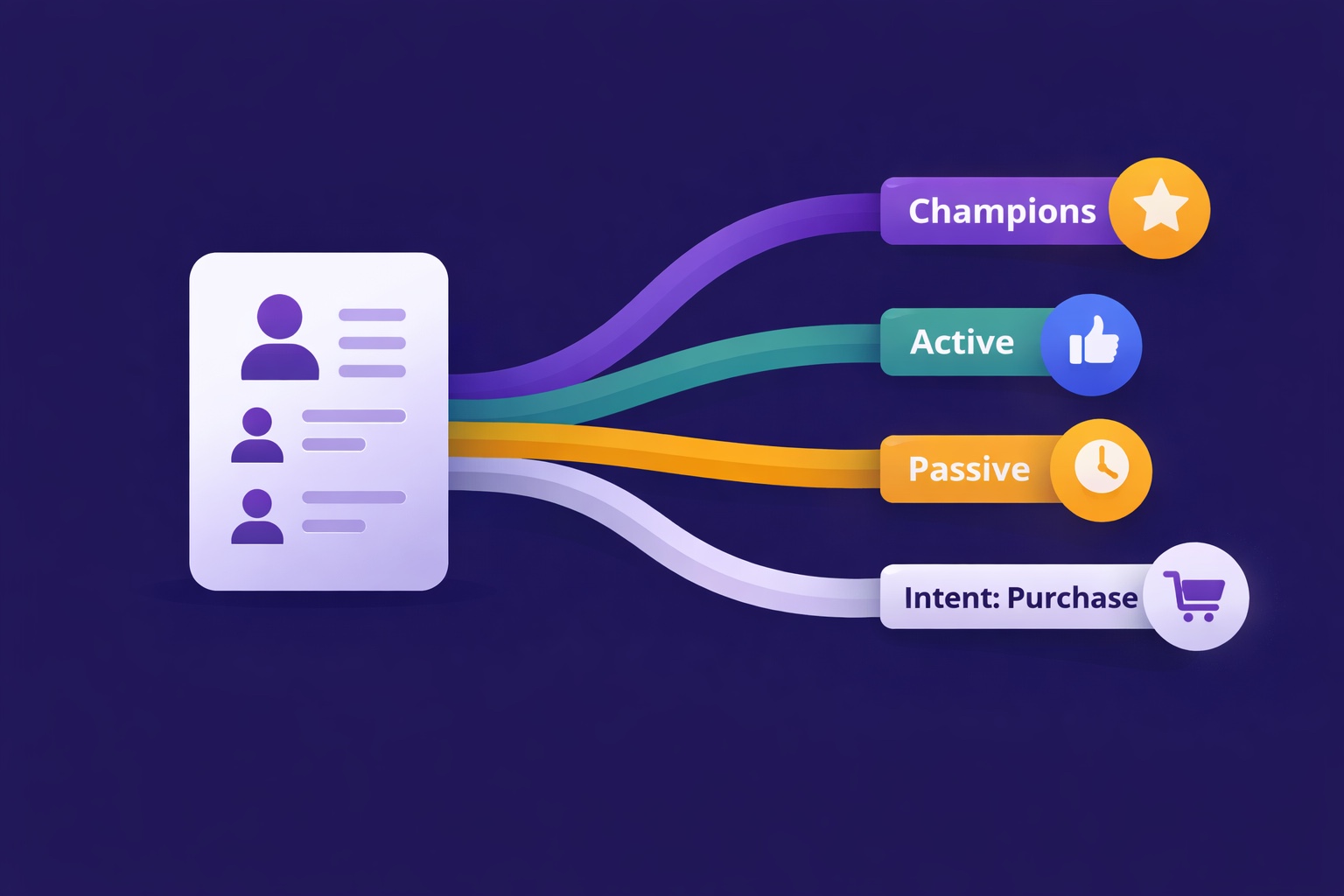
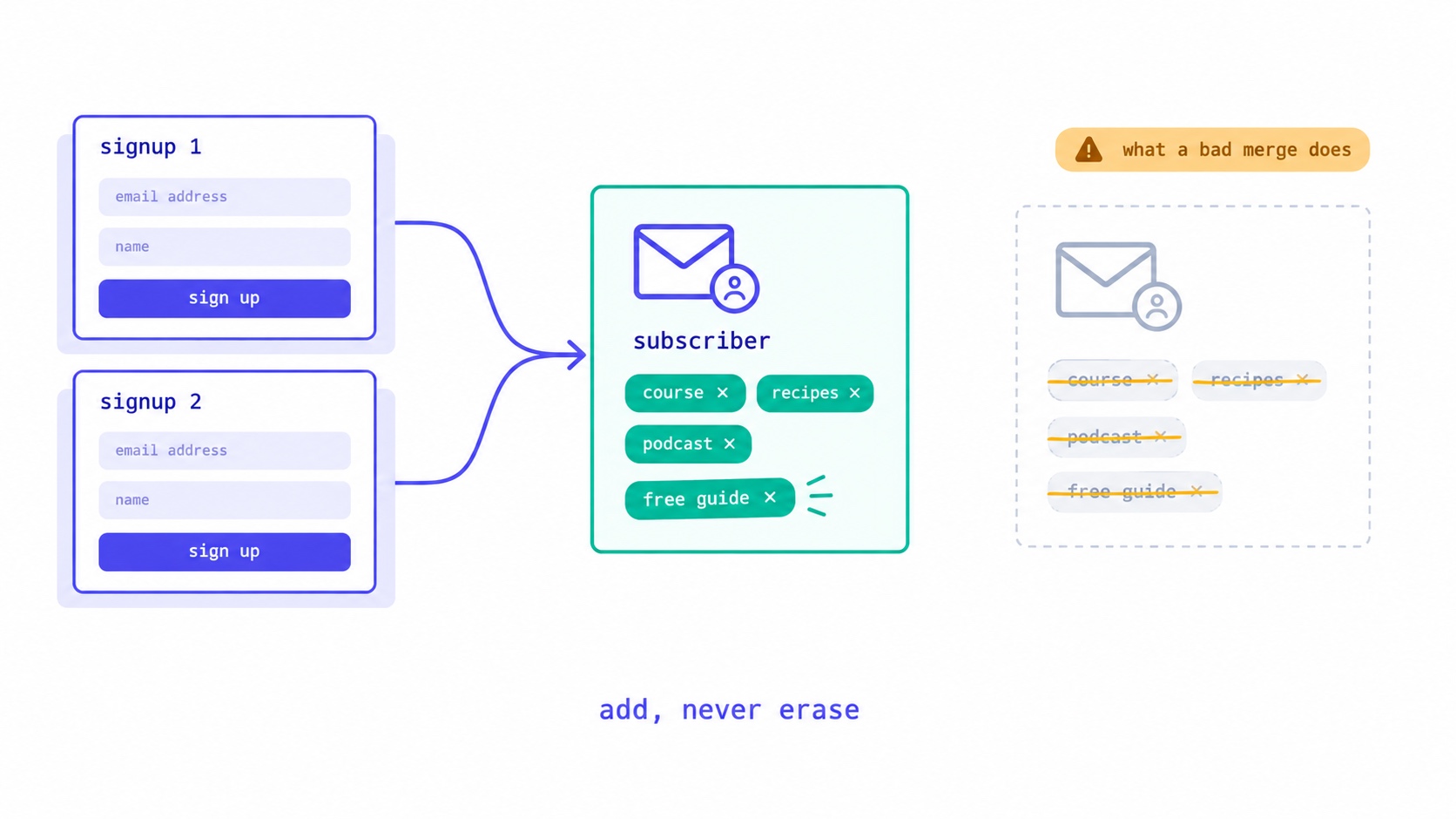
What should happen when a subscriber signs up twice: one record, add but never erase, unsubscribed readers confirm before returning. The form bug that wiped our subscribers' tags, and five tests for your own platform.
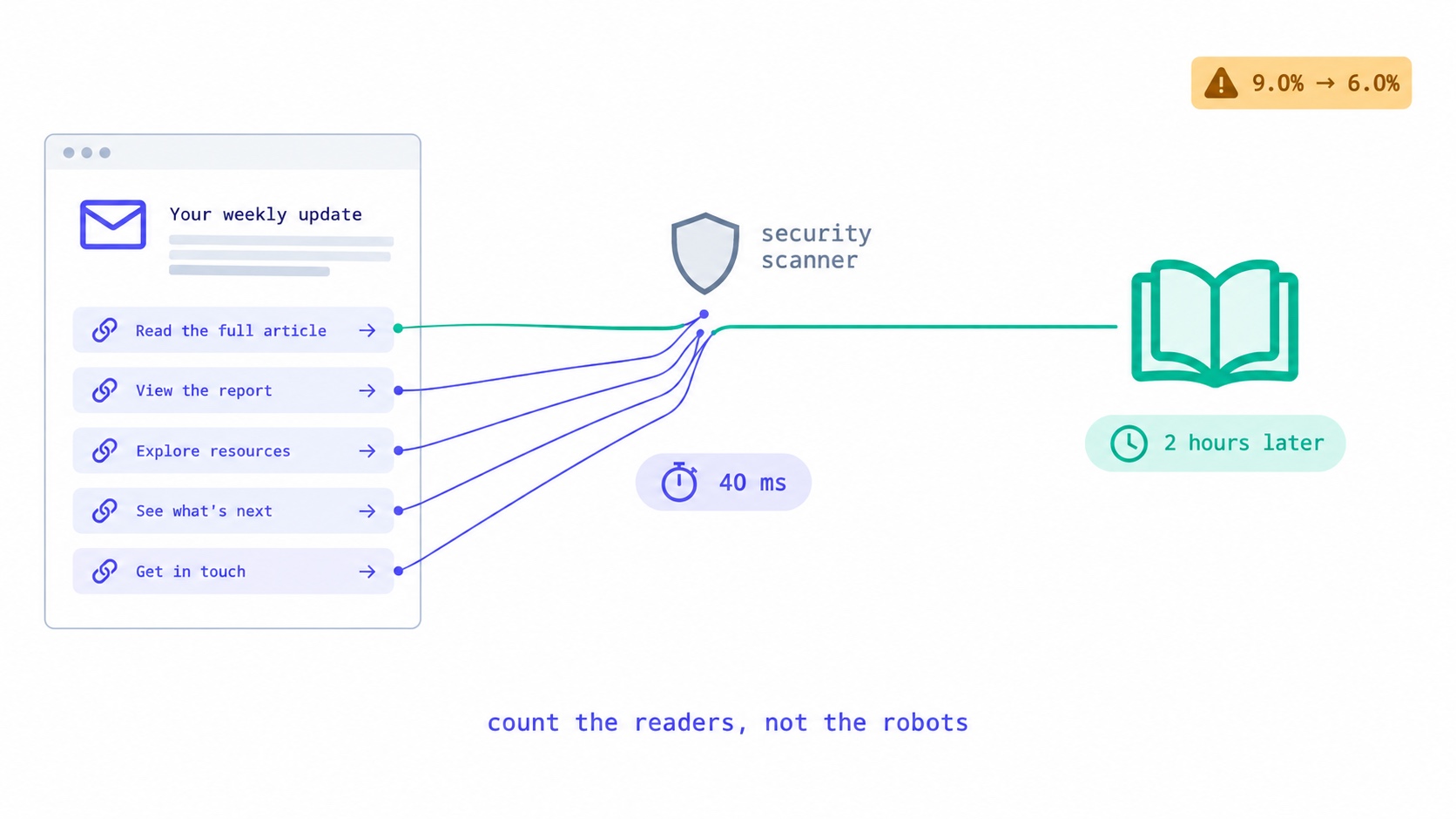
Corporate email security scanners click every link at delivery, inflating newsletter click rates. How to recognise them, the two counting bugs we fixed, the problem we have not solved, and what to tell sponsors.

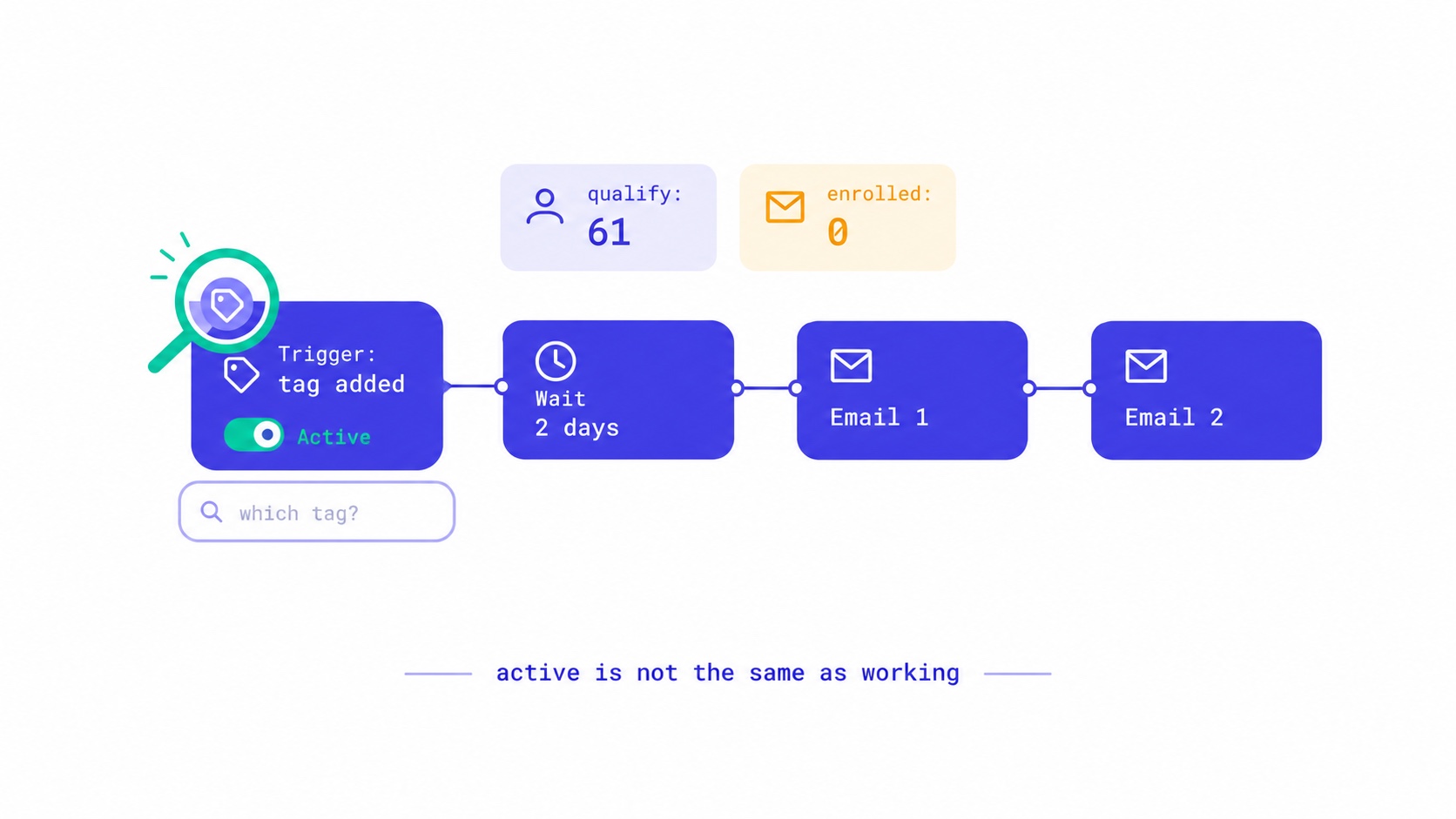
Seven reasons an email automation is switched on but sends nothing, from triggers that ignore existing subscribers to tag triggers with no tag. The qualify-versus-enrolled check that found 28 of our own sequences silent, and a fifteen-minute monthly audit.

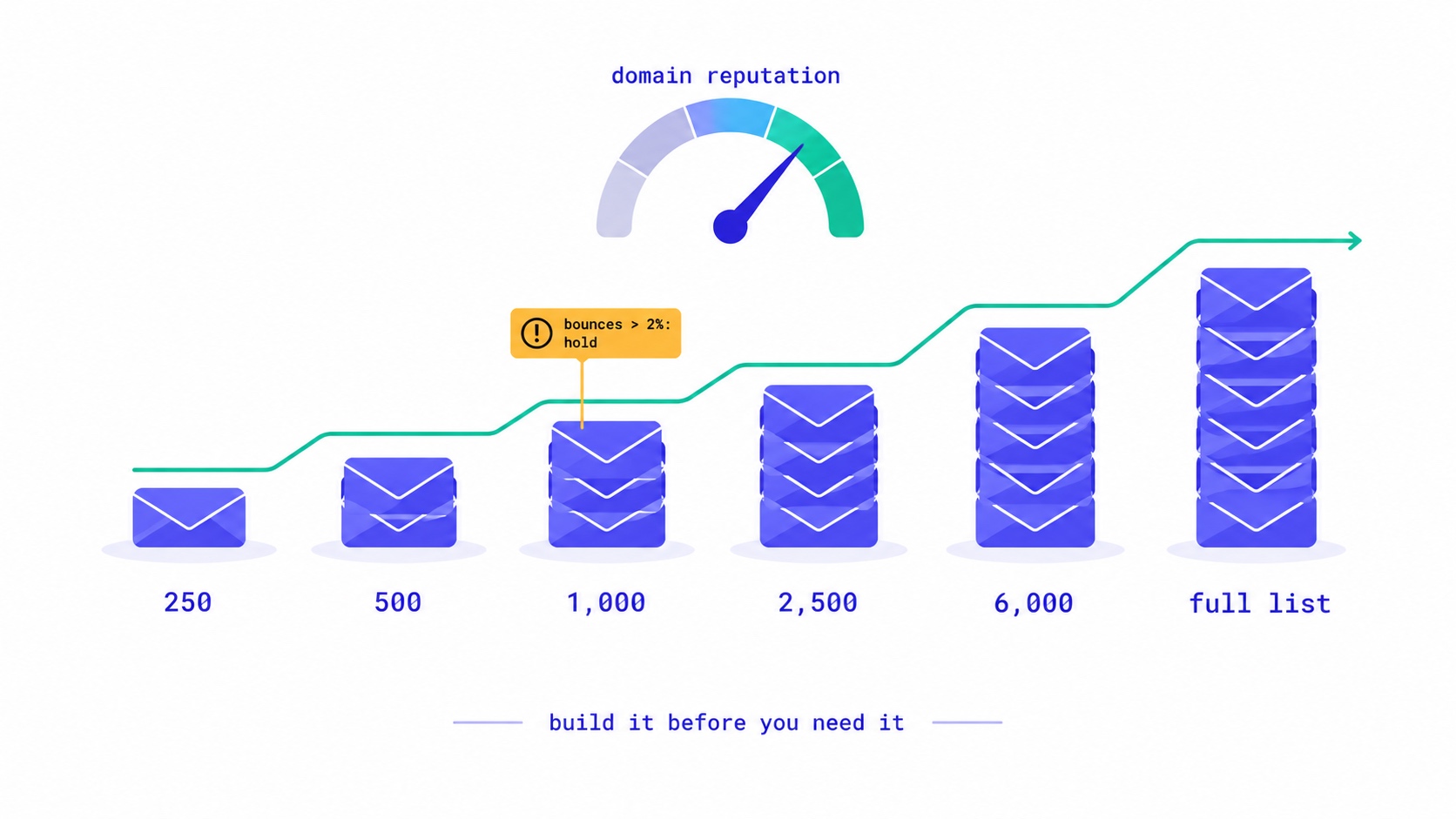
How to warm up a new email domain for a newsletter: authenticate first, send to recent clickers in small batches, and grow only while bounces stay under 2% and complaints under 0.1%. A 20,000-subscriber schedule, the numbers to watch, and what happened when an account skipped it.

Since 2024, Gmail and Yahoo require one-click unsubscribe. A mail-app button removes the reader instantly, with no page, no options and no reason. Your preference centre now reaches only footer-link leavers, so the 'less, not none' options belong inside the email.

Only the reader can reverse an unsubscribe. A fresh signup is a request, not proof. Why imports, forms and bulk edits quietly resubscribe people, and how to build a confirmation step that a link scanner or a stranger cannot trigger.

A signup spike with no launch behind it is usually list bombing. Fifteen hundred fake signups can push a welcome stream to six times Gmail's complaint limit and overstate your list by 30% to sponsors. How to spot them, why Apple Mail hides some, and how to clean up without making it worse.

The CSV moves in five minutes. Sender reputation, unsubscribes, paid subscriptions, automations and old signup forms do not. The order that gets a newsletter to a new platform without losing inbox placement or emailing people who opted out.

Two sponsored slots at a $30 CPM with a 40% open rate earn about $1.25 per subscriber per year. Against a defensible CAC near $2 and cost-per-signup commonly $2-5, most paid acquisition is at or past break-even before you account for paid cohorts converting worse than organic ones.

Churn continues, acquisition stops, and sender reputation degrades fast while recovering over four to twelve weeks. Which makes an eight-week break cost far more than eight weeks — and makes reducing frequency a completely different decision from stopping.

Same monthly income, very different sale price. Published multiples put paid subscription revenue around 24-42x MRR and sponsorship-supported newsletters closer to 20-32x, which means shifting your revenue mix beats a hard 30% growth year. The four discounts buyers apply, and why they are all decided 12-18 months before anyone makes an offer.

A video can be unlisted, a post deleted. A send is gone, which means every piece of leverage you had disappears the moment you deliver. What actually needs to be in writing: the five-part payment clause, why you take a deposit, and the performance guarantee that makes you liable for someone else's landing page.

Long-tenured subscribers convert three to five times better than new ones, and later cohorts are acquired more broadly than early ones. Both effects correlate with join date, so they cancel inside your blended conversion rate — and the two situations they describe call for completely opposite responses. The same-tenure comparison that separates them.

Account recovery is a sequence ordered by decay, not a checklist. Some assets are recoverable in the first hours and gone within days; others can wait. What to export before access closes, why filing a second appeal usually sets you back, who to contact before they find out elsewhere, and how to rebuild in parallel rather than after.

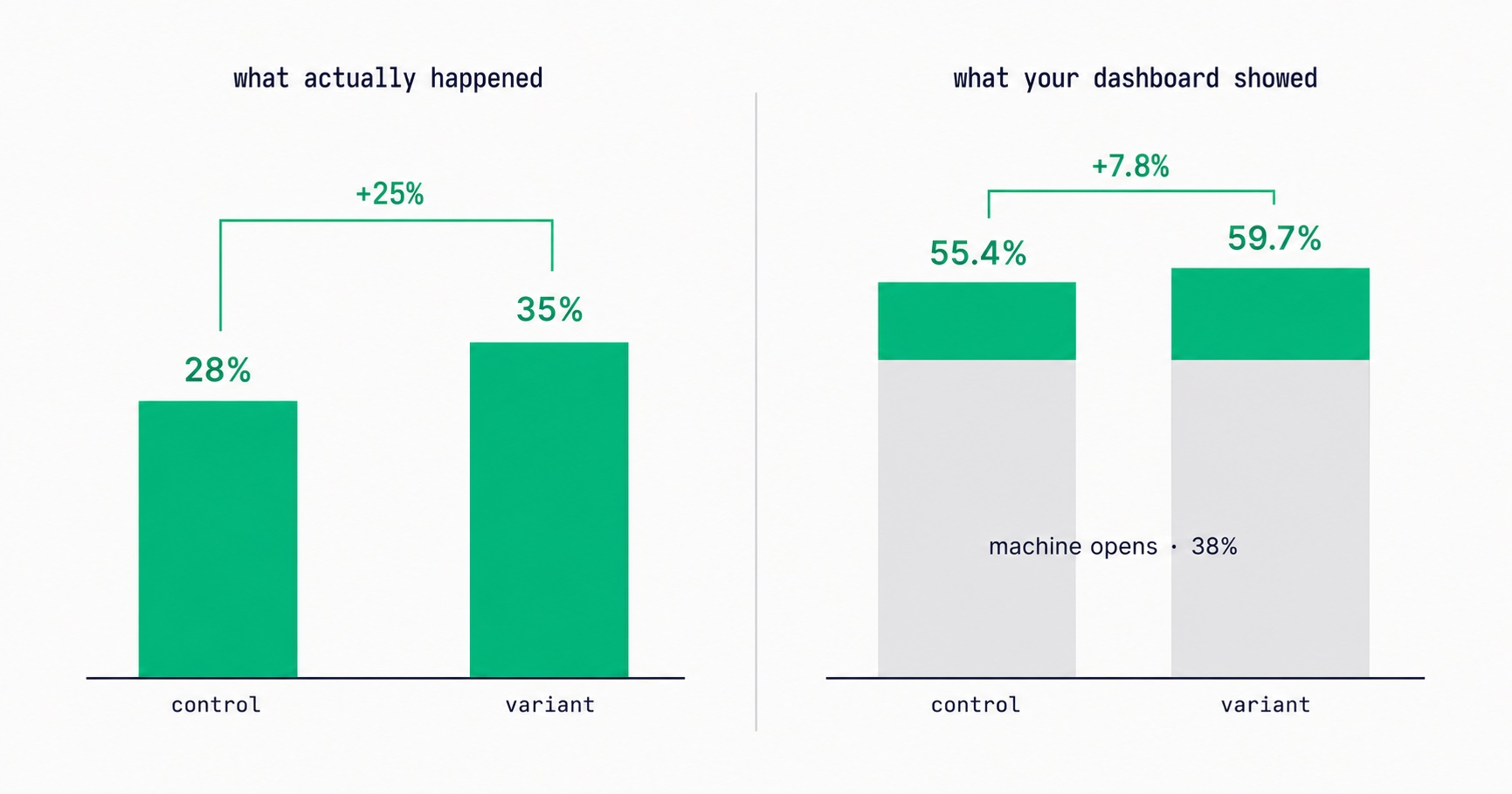
Every article about Apple Mail Privacy Protection says open rates are unreliable. None of them explain the part that actually changes your decisions: MPP doesn't add random noise, it systematically compresses the measured gap between two subject lines by roughly 3x — which is why so many creators ran good tests, saw flat results, and concluded subject lines don't matter.

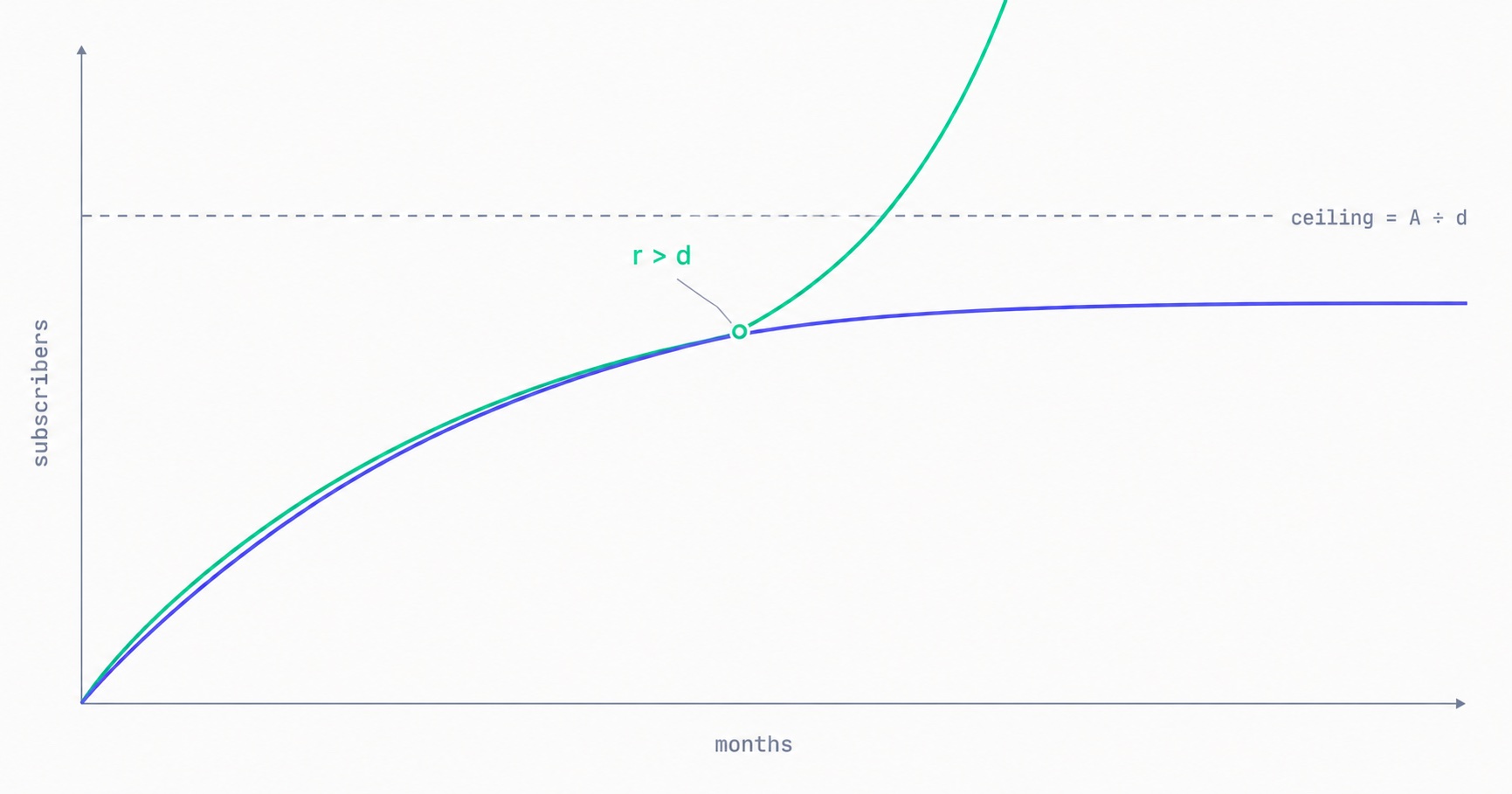
Your list has a maximum size you can calculate today: monthly new subscribers divided by monthly churn rate. At 500 signups a month and 2% churn, you will approach 25,000 and stop — no matter how long you keep publishing. The math behind the plateau, why halving churn beats doubling acquisition, and the one term that removes the ceiling entirely.

Etsy changed its algorithm in 2022, raised fees in 2023, and updated seller standards in 2024 — each time without warning. The only structural protection against marketplace dependency is building a direct customer relationship through email. How to legally collect subscribers as an Etsy seller, the lead magnets that attract buyers, the welcome sequence that drives repeat purchases, and the seasonal campaign structure that makes revenue predictable.

Email converts digital product sales at 40x the rate of social media — yet most newsletter creators undermonetize because they upsell incorrectly. The complete architecture: the 7-email post-subscribe sequence that warms subscribers before the pitch, the four mid-issue CTA formats ranked by conversion rate, dedicated launch issue structure, product-type positioning for courses/templates/ebooks/coaching, segmentation-based upselling, and the non-buyer re-engagement approach that reaches subscribers on their own timeline.

Flodesk was built for beautiful emails. InfluencersKit was built for creator revenue. That design philosophy drives every product decision — and determines which platform is right for your business model. Honest comparison across pricing (including the flat-rate illusion), automation, monetization (where the gap is decisive), analytics, growth tools, and a three-year opportunity cost calculation that most platform reviews never run.

Paid newsletters generate revenue that compounds with every subscriber and is immune to algorithm changes. The complete framework: pricing that reflects actual content value, the free-to-paid content split that converts without giving everything away, founding member launch mechanics, retention systems that reduce churn, and the platform fee math that decides how much you actually keep.

A fitness creator with 80,000 Instagram followers generates $800–$2,400/month from brand deals. The same creator with 4,000 email subscribers generates $3,000–$8,000/month — from one-twentieth the audience size. Lead magnets that convert fitness followers, platform-specific tactics for Instagram, TikTok and YouTube, newsletter content strategy, and the full monetization stack for fitness email lists.

Every newsletter has inactive subscribers silently dragging down deliverability. A well-designed reactivation campaign recovers 8–20% of them while identifying the truly unrecoverable. The four-part reactivation sequence, subject lines that break through inbox habituation, the list hygiene logic that improves metrics after removal, and the onboarding system that prevents inactivity from accumulating in the first place.

Course sales require the deepest trust of any creator product. Email is the only channel that builds that trust systematically. The complete system: lead magnets that pre-qualify students, a 10-email welcome sequence designed for enrollment, inter-launch content strategy, launch sequence framework, post-launch re-engagement, and evergreen enrollment system.

Most newsletter growth requires proportional effort. A viral loop changes this: each new subscriber creates a mechanism that brings in additional subscribers. The viral coefficient math, four loop architectures (referral, forward, access gate, social proof), stacking strategy, re-promotion system, and the content quality foundation that makes viral growth compound rather than spike.

MailerLite costs 59% less than Kit at every subscriber tier. But for course creators running complex product funnels, Kit's automation and commerce capabilities justify the premium. For newsletter-first creators, neither is optimal. Honest comparison across pricing, automation depth, monetization, growth tools, ease of use, integrations, and migration — with a clear verdict by creator revenue model.

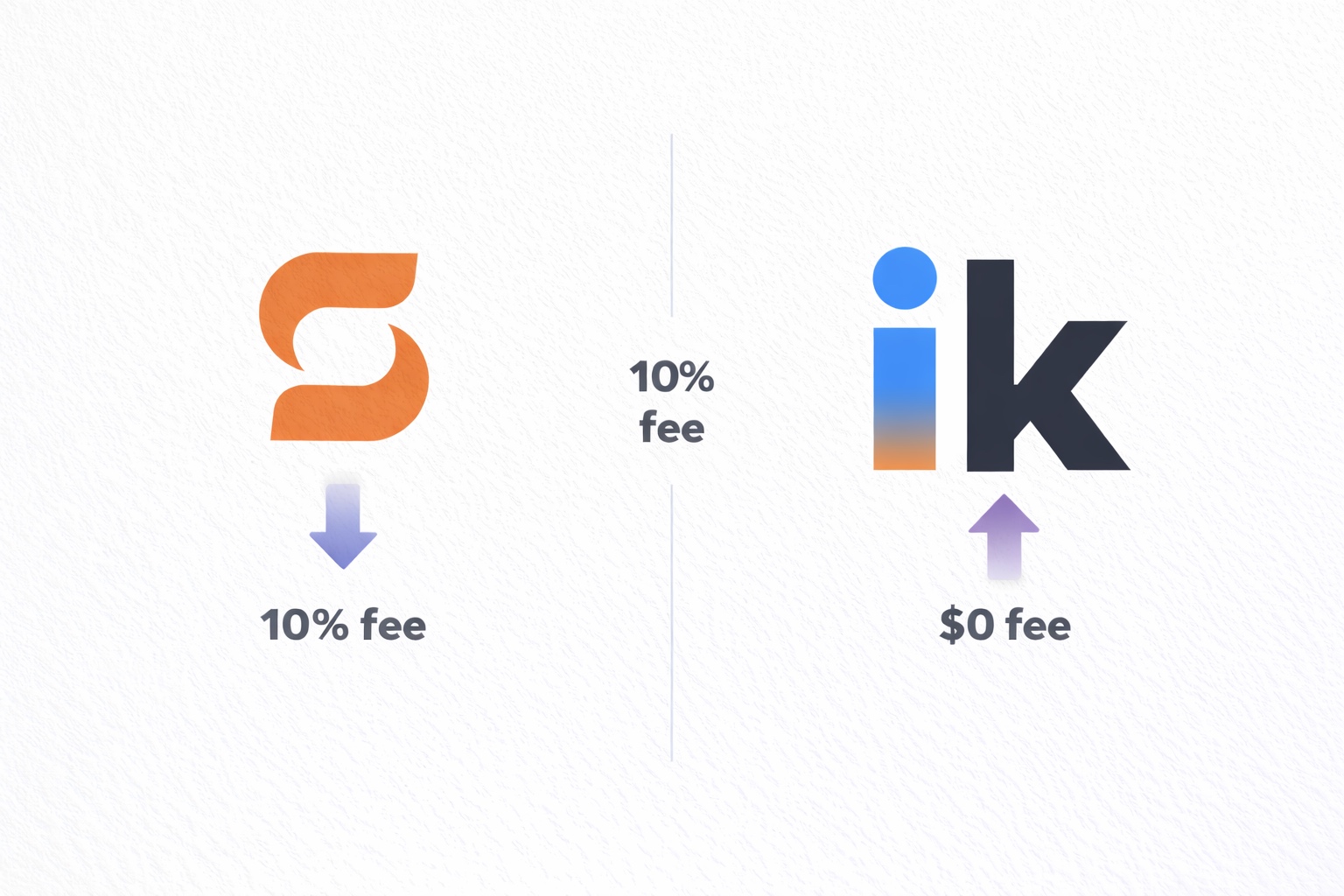
Substack charges 10% on paid subscriptions forever. Beehiiv charges 2.9% with growth tools and an ad network. But the real comparison runs deeper — discovery networks, automation depth, data ownership, and who each platform was actually built for. A complete breakdown including when neither is the right answer.

A well-executed newsletter swap can generate 200–500 new subscribers in 48 hours at zero acquisition cost. The complete system: the 4-factor partner qualification criteria, five cross-promotion formats ranked by conversion rate, outreach pitch templates that get replies, and a monthly programme that produces subscriber growth reliably.

The gap between $200/month and $4,000/month in affiliate income usually isn't audience size — it's programme selection (recurring vs. one-time commissions), recommendation quality, and placement architecture. The complete system: which programmes compound, how to integrate recommendations without damaging editorial trust, and the month-by-month build to a passive recurring base.

Mailchimp was built for e-commerce businesses. Beehiiv was built for newsletter publishers. That philosophical difference drives every feature decision — and determines which platform is right for your specific creator business. Honest comparison across pricing at every tier, monetization, growth tools, deliverability, and the third option most creators never evaluate.

Coaching has a long sales cycle — clients need weeks of trust-building before they commit. Email is the only marketing channel that matches this cycle structurally. The complete system: how to build a list that attracts your ideal client profile, the 7-email welcome sequence that pre-qualifies prospects, and how to run enrollment conversations through email without feeling salesy.

Most newsletter creators undercharge because they don't understand how newsletter advertising is actually priced. CPM benchmarks by niche, the variables that justify rates above the benchmark, how to price small-list sponsorships without CPM, placement tiers, package structures, and how to build a media kit that gets the conversation to yes.

The 10,000-subscriber threshold is a myth. Creators are making $1,000-$3,000/month with under 500 subscribers — using the right monetization model matched to their audience depth. The 5 models that work at small scale, what fails before you have volume, and a realistic revenue stack for under-1,000-subscriber creators.

Referral programs and cross-promotions require an existing audience. SEO compounds forever and brings in subscribers who are actively searching for what you publish. The complete playbook: sign-up page optimization, blog content that converts readers to subscribers, technical SEO for newsletter sites, and backlink strategies that don't require a PR budget.

TikTok can suppress your reach overnight, ban your account, or get blocked in your country — and you lose every follower instantly. The 5 strategies TikTok creators use to convert followers into email subscribers they actually own: comment funnels, lead magnets built for mobile, live CTAs, and bio optimization that converts.

Segmentation is the gap between 25% open rates and 45% open rates — and between 3% paid conversion and 9%. The 5 segmentation types that move the needle, the exact tags to set up from day one, and how to build a behavioral targeting system that runs automatically in InfluencersKit.

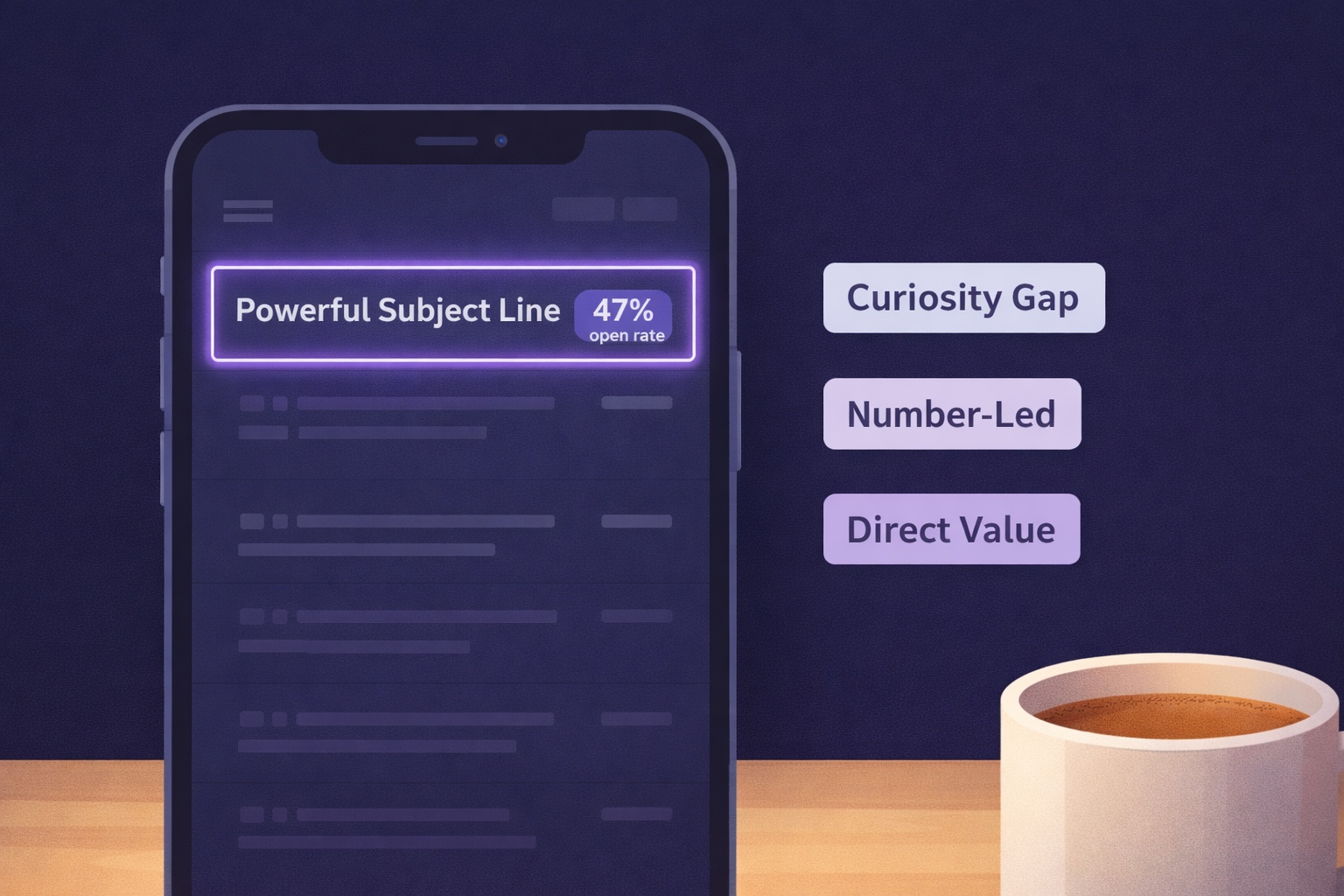
Your subject line is the entire game in email. 85 tested templates across 7 categories — curiosity gaps, number-led, personal, contrarian, and more — with the psychology behind why each works and what to avoid.

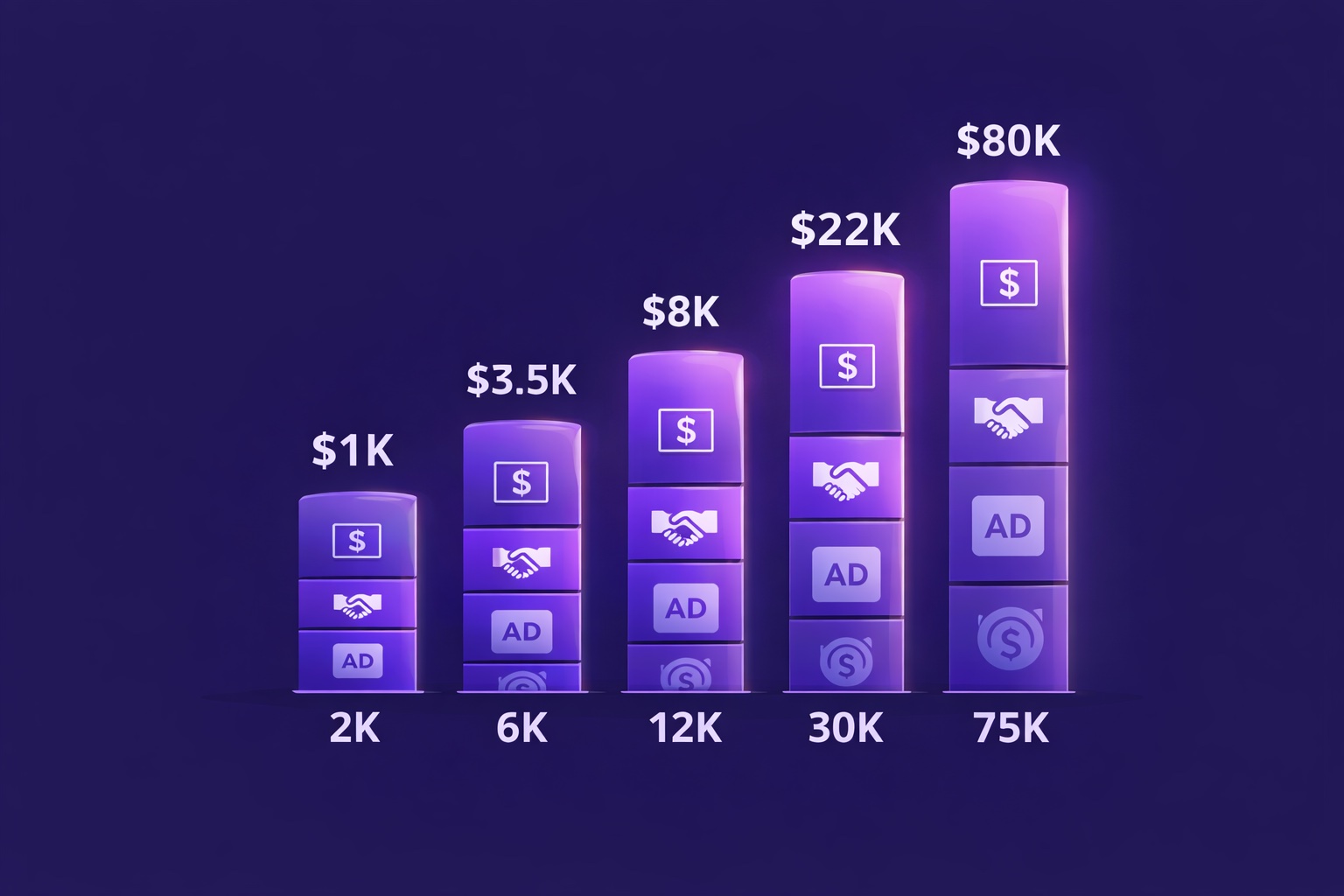
The real data that creators search for but can't find. 5 detailed income profiles at different subscriber tiers — from $1,000/month at 2,000 subscribers to $80,000/month at 75,000 — with full revenue breakdowns by source, time invested, platform used, and the one decision that mattered most at each stage.

Inconsistency kills newsletters — not bad writing. The complete content calendar system: the 4-category matrix that means you never run out of ideas, month-by-month seasonal hooks for the full year, the repurposing system that turns one idea into six newsletter topics, and the batch-writing workflow to write 4 issues in 3 hours.

Two newsletters, same niche, same frequency — one gets 48% open rates, one bleeds subscribers. The gap is the writing. This covers the 4 formats that build loyal audiences, subject line formulas, the structure that holds attention, and the 4-hour workflow that keeps you consistent.

Referred subscribers cost less to acquire, engage 40% more, and churn at half the rate of cold-acquired subscribers. This is the complete guide to designing reward structures that actually work, promoting your program to existing subscribers, and setting up without SparkLoop.

The right lead magnet can 3-5x your signup rate overnight. 47 specific ideas across 6 creator types — YouTubers, writers, podcasters, coaches, social creators — with conversion rate context, creation time estimates, and delivery setup instructions.

The paid newsletter market is $2B+ and growing. But most creators launch wrong — wrong pricing, wrong timing, wrong content split. This is the definitive playbook: when you're actually ready, how to price it, the 14-day pre-launch sequence, and why 0% platform fees matter enormously at scale.

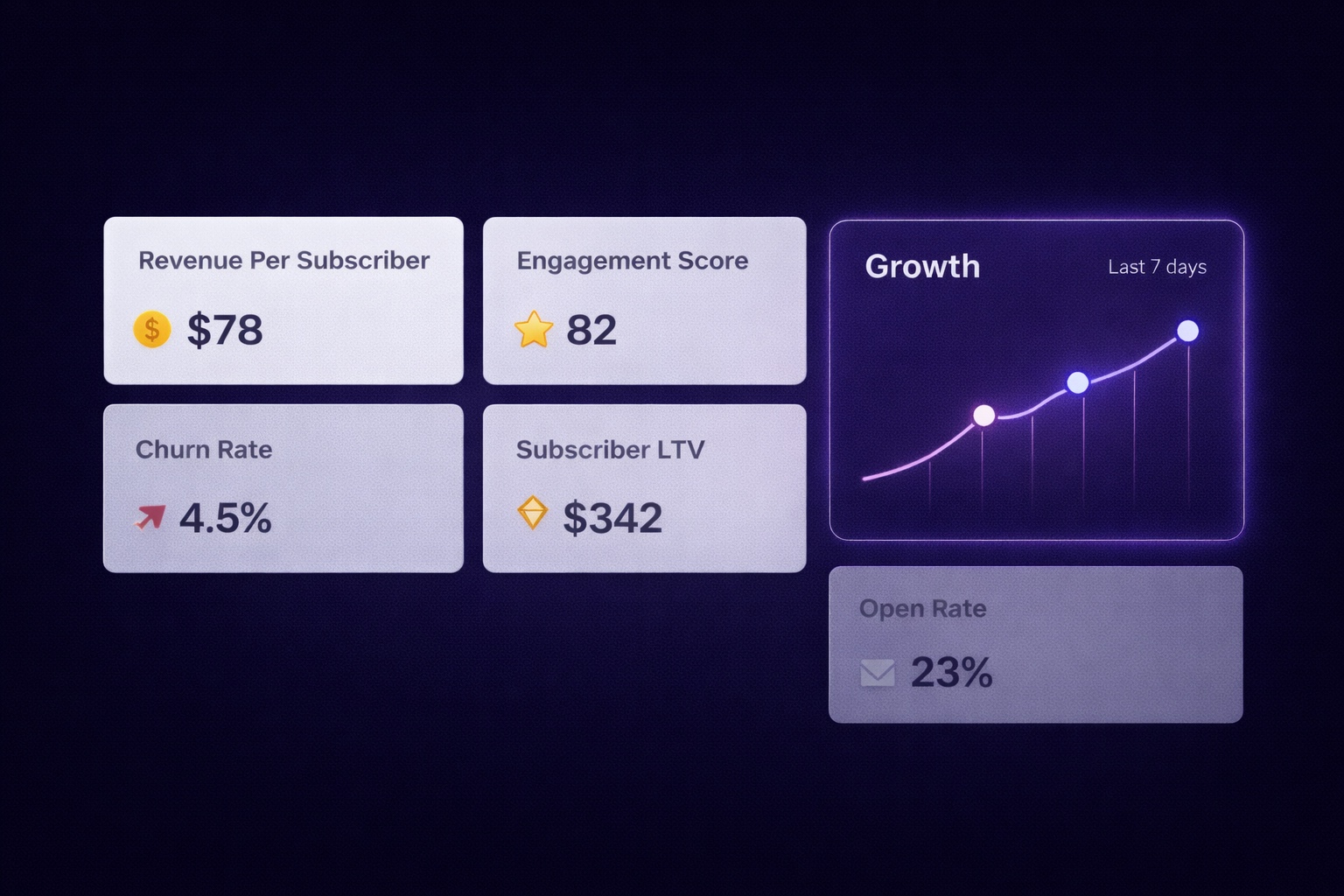
A 60% open rate sounds great until you realize it's from 800 people and you're earning $0.08/subscriber. The metrics that actually predict newsletter success — revenue per subscriber, engagement score, churn rate, CPM efficiency, subscriber LTV — and what good looks like at every stage.

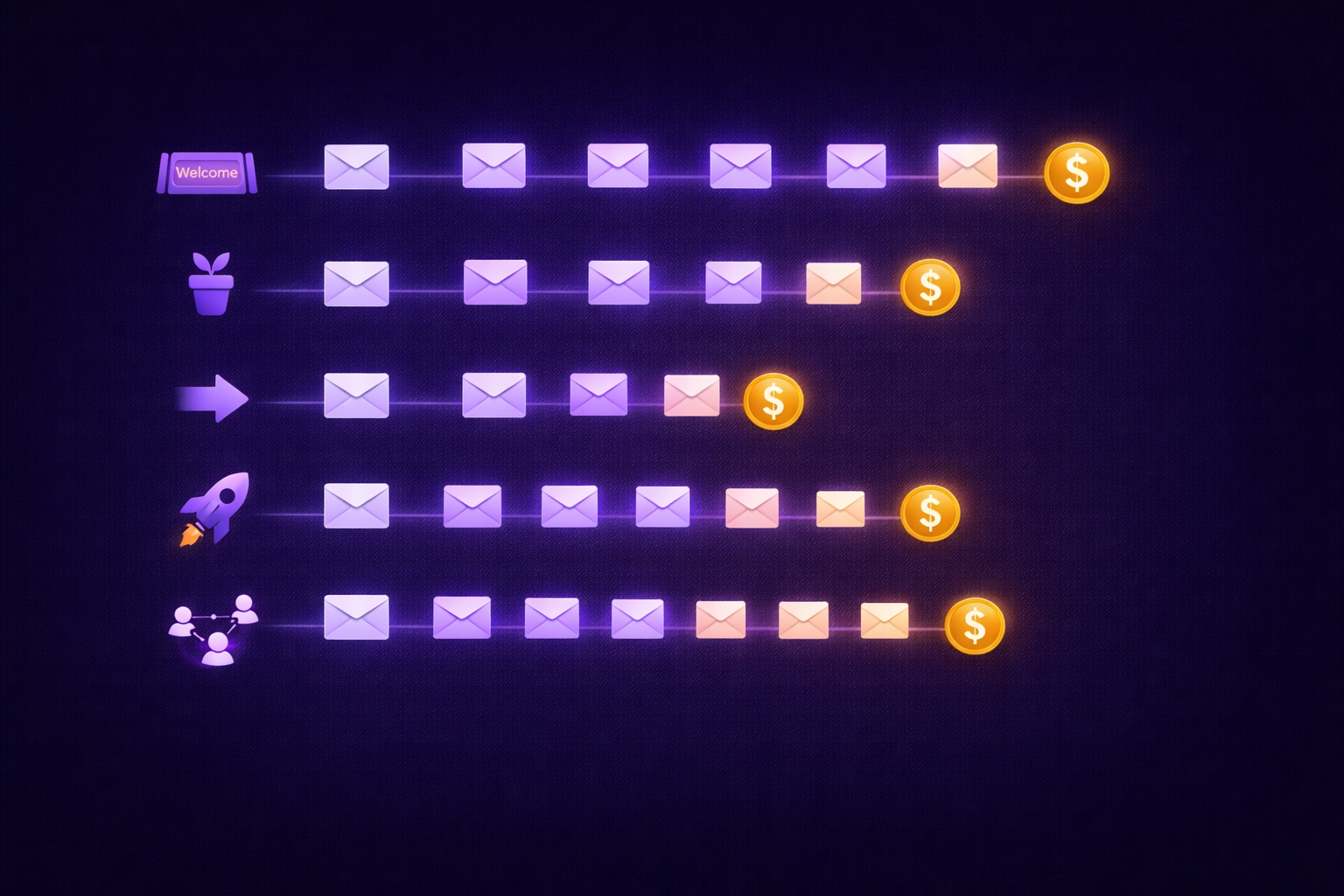
Most creators think automation means a welcome email. The reality: 5 automated sequences running simultaneously can generate $2,000–8,000/month passively. The complete guide with exact email timing, subject lines, content frameworks, and setup walkthrough for every sequence.

The average newsletter landing page converts at 9%. The best hit 30-50%. The gap is entirely predictable — headline clarity, social proof placement, value proposition specificity, and CTA design. Full anatomy breakdown, 10 patterns of high-converting pages, mobile optimization, and A/B test priority order.

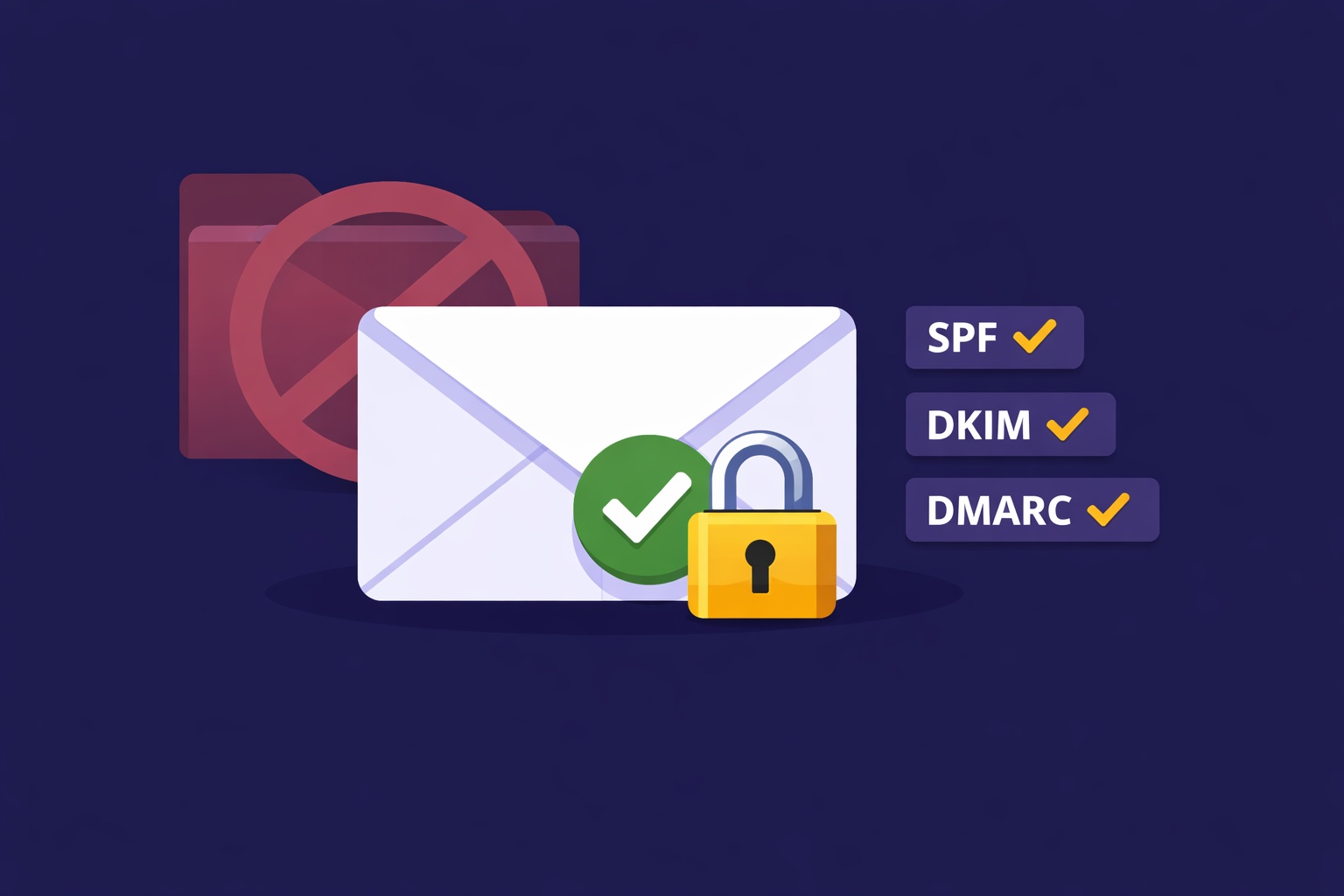
Deliverability is the silent newsletter killer — a 30% spam rate cuts your revenue potential by 30% while your dashboard shows 98% delivered. SPF, DKIM, DMARC in plain English, list hygiene that protects your sender reputation, the tools to diagnose the problem, and a 7-day recovery plan.

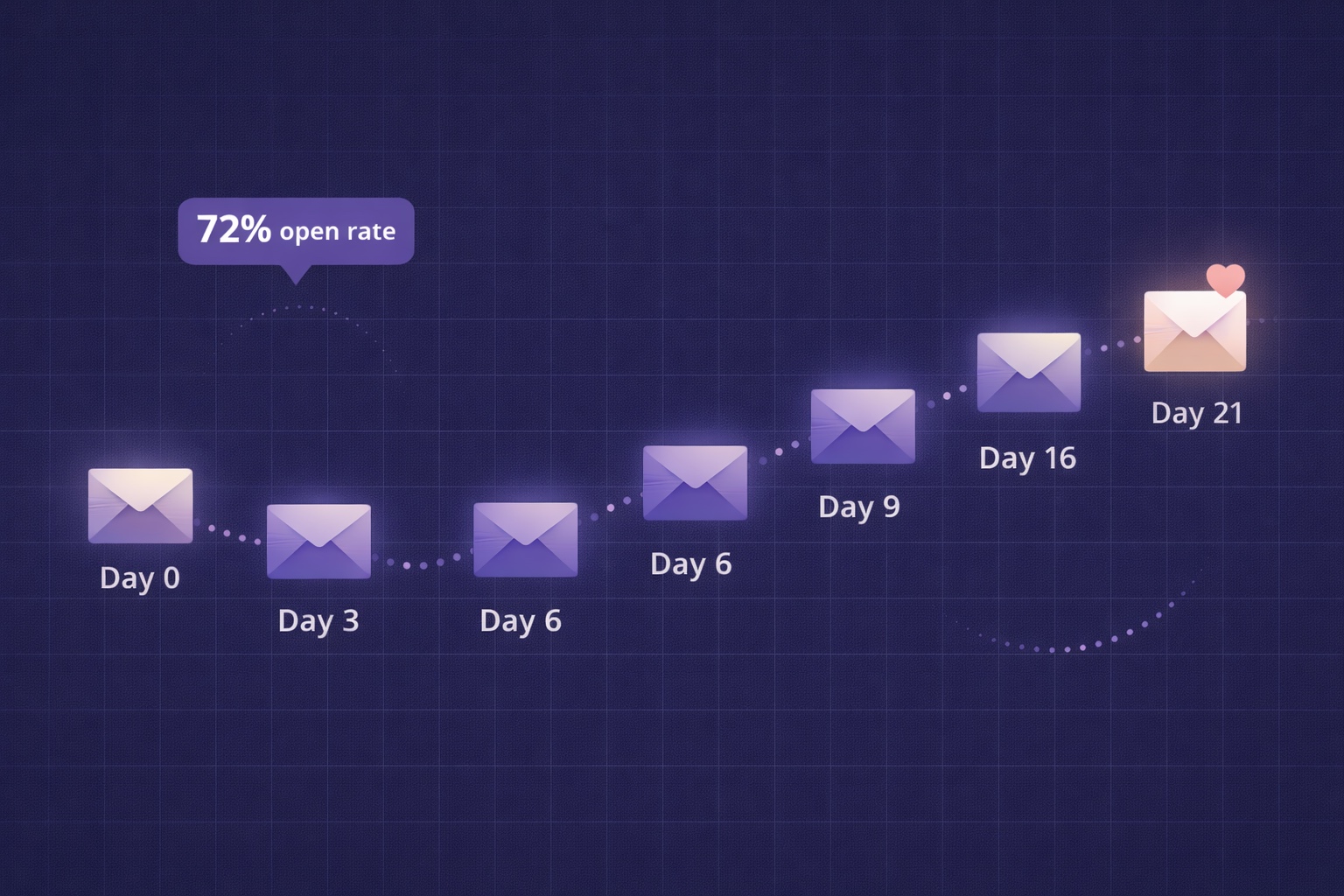
Your welcome email gets a 50-80% open rate — the highest of any email you'll ever send. Most creators waste it with a single 'thanks for subscribing.' This is the exact 7-email sequence with day-by-day timing, subject lines, full content frameworks, and automation setup in InfluencersKit.

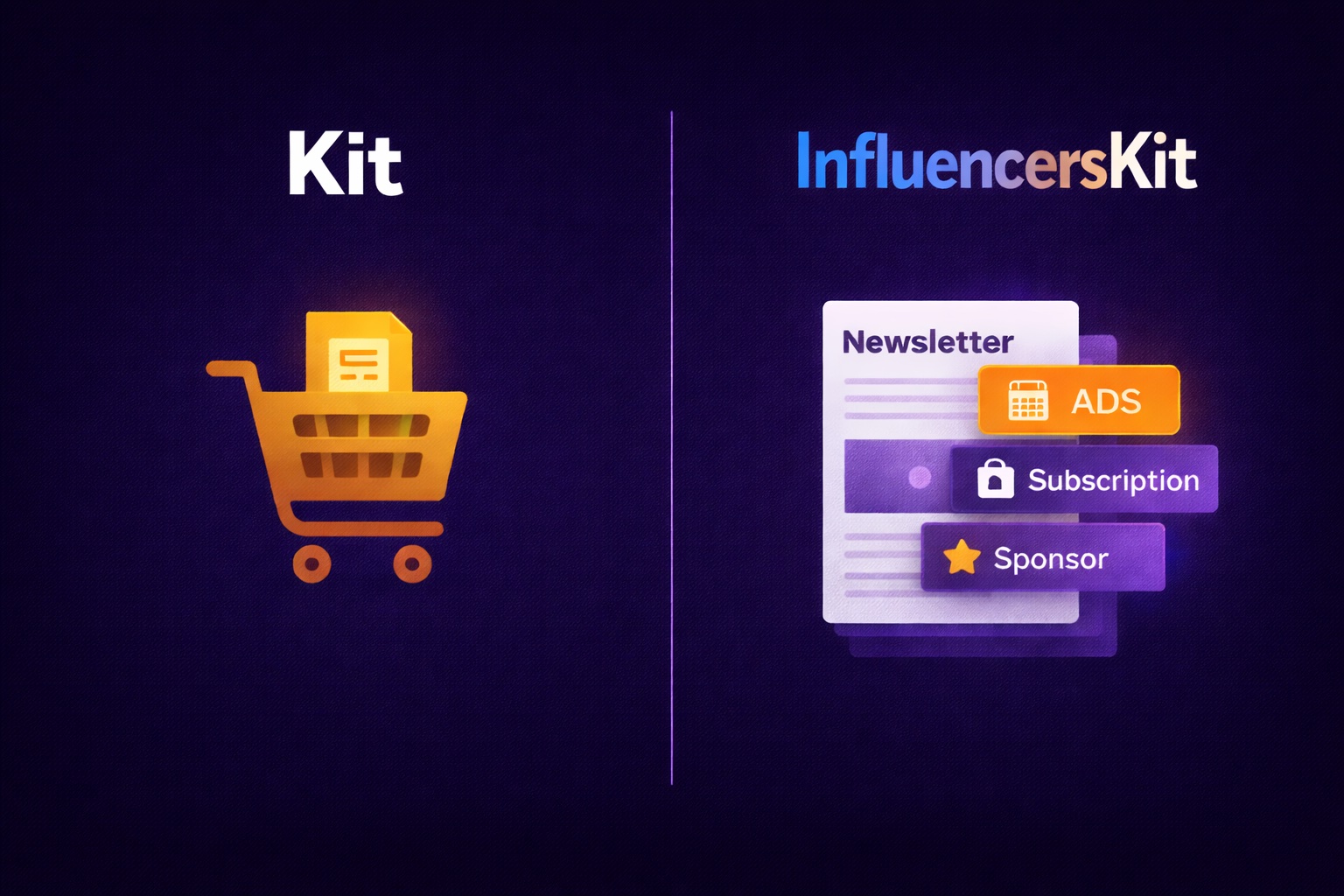
Kit was built for creators who sell courses and digital products. InfluencersKit was built for creators who monetize through ads, sponsorships, and paid subscriptions. Direct, fair, data-driven comparison — with real pricing at every tier and a clear verdict by creator type.

ActiveCampaign starts at $49/month, scales to $500+, and is built for B2B sales teams. Most creators use 15% of what they pay for while missing the features that actually matter: programmatic ads, referral programs, and paid subscriptions. Six alternatives compared honestly.

AWeber was built in 1998. It shows. No creator monetization features, charges for unsubscribes, and pricing that doesn't reflect modern alternatives. Honest breakdown of 7 better options — with specific recommendations by creator type and a migration guide.

Substack's 10% fee costs you $6,000/year at $5,000/month in subscription revenue. A fair but complete comparison: pricing at every revenue tier, monetization features (where the gap is enormous), growth tools, and who should actually use which platform.

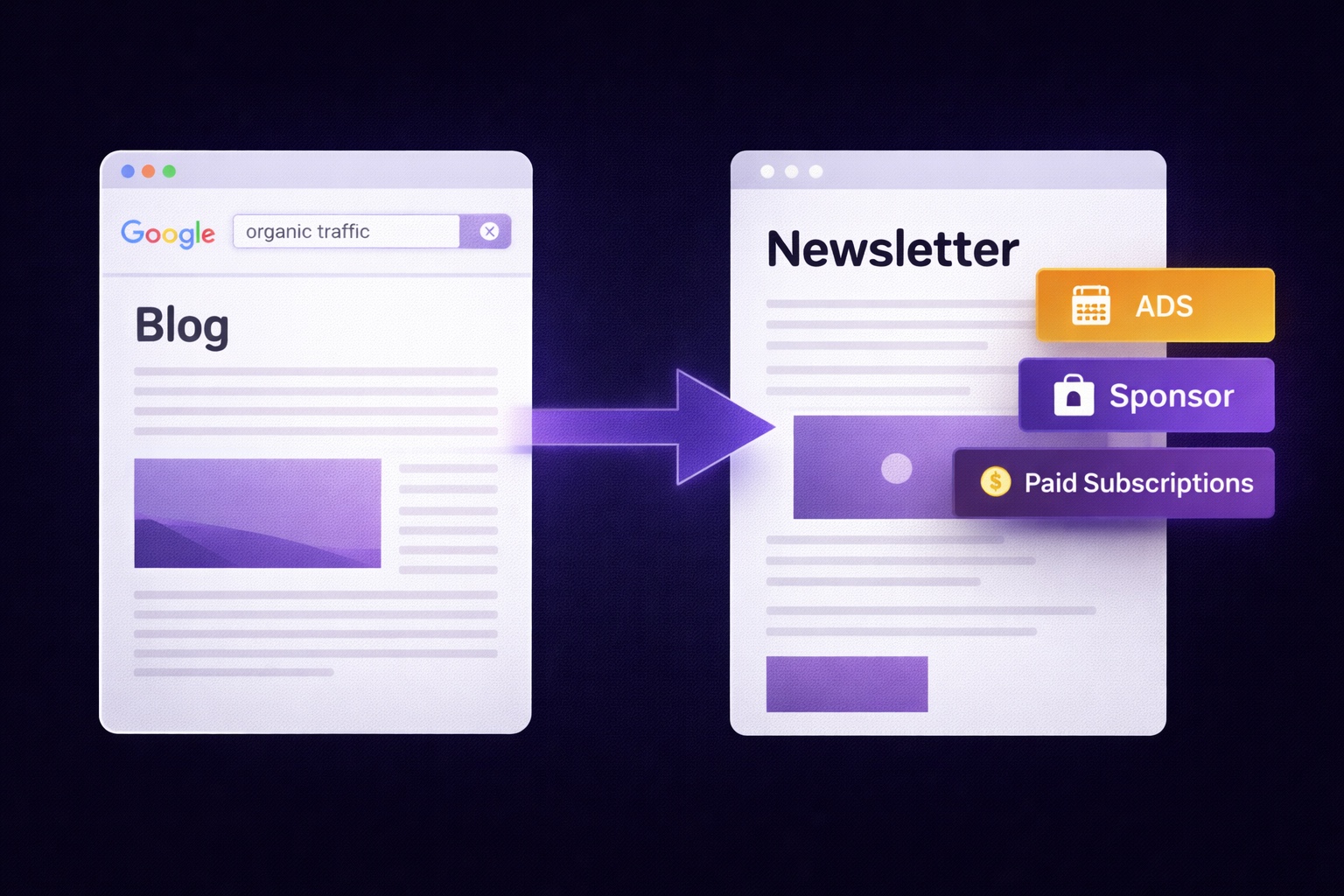
Bloggers already have the hardest parts: proven content demand, warm traffic, and writing discipline. The step-by-step system to convert that foundation into a newsletter business — content upgrades that convert at 15-35%, migrating from Substack or Ghost, the SEO + newsletter flywheel, and 6 revenue streams that replace display ad income.

X Premium pays $0.003 per 1,000 views. A newsletter with 2,000 subscribers generates $1,000–1,500/month from ads, sponsorships, and a paid tier. The complete X-to-email flywheel — 6 conversion tactics, pinned post optimization, thread strategy, and the full revenue stack.

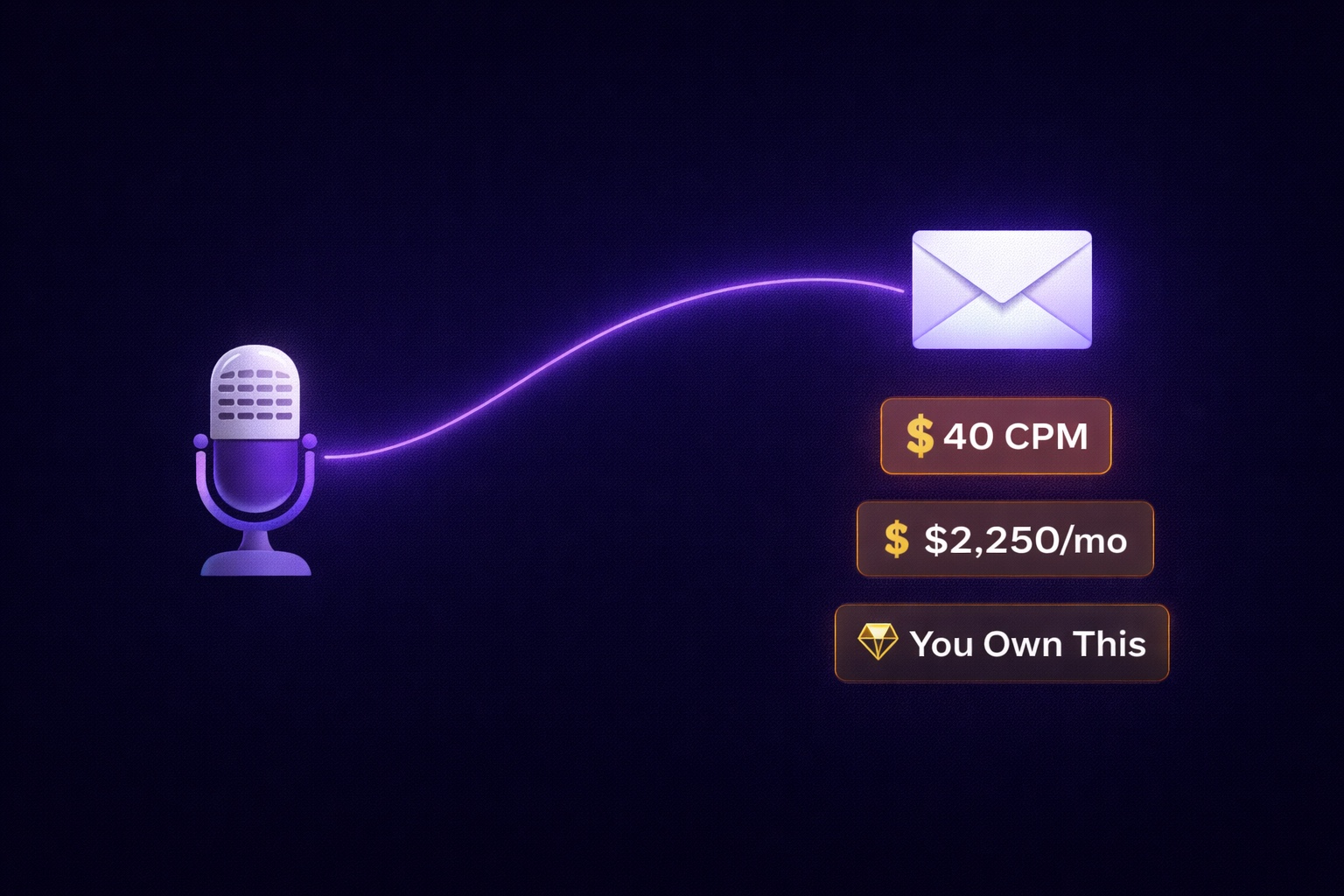
Podcast listeners give you hours of their attention — the warmest audience in the creator economy. Yet 90% of podcasters let that relationship die when the episode ends. The complete podcast-to-email funnel: 5 conversion entry points, show notes strategy, lead magnets that work for audio audiences, and what 5,000 podcast email subscribers is actually worth.

Landing your first newsletter sponsor feels impossible until you know the exact steps. Real outreach templates, pricing strategies, and pitch examples that actually work for small newsletters.

Step-by-step roadmap to build a profitable newsletter from zero subscribers to $10,000 monthly revenue. Tactical strategies, growth timelines, and monetization milestones for content creators.

Mailchimp is powerful for e-commerce, but falls short for content creators. Discover why creator-specific platforms offer better monetization, growth tools, and value for newsletters and content businesses.

Should you start with a free email platform or invest in paid tools? Honest breakdown of what creators actually need at each stage, hidden costs of 'free' platforms, and when to upgrade.

Discover real newsletter advertising rates, CPM benchmarks, and revenue calculations. See exactly how much creators earn from newsletter ads across different niches and audience sizes.

Comprehensive comparison of the top 3 email platforms for creators. Real pricing at every tier, feature breakdowns, monetization capabilities, and honest recommendations for different creator types.

LinkedIn subscribers are worth $80-150 in LTV—double other platforms. Learn the two-platform strategy to build fast on LinkedIn, then convert to owned email for serious monetization.

Instagram followers are worth $3-8. Email subscribers? $50-200. Learn the exact system to convert your Instagram audience to email and multiply your creator revenue 2-3x.

An email subscriber is worth 10x more than a YouTube subscriber. Learn why successful YouTubers build email lists, how to convert your audience, and the monetization strategies that work in 2026.

The complete roadmap for growing your email list from zero to 10,000 engaged subscribers. Real timelines, proven strategies, and actionable tactics that actually work in 2026.

The creator economy is now a $250B industry. Learn how successful creators are building $100K-$1M+ businesses through email monetization. Real data, revenue breakdowns, and actionable strategies for 2026.

Complete comparison of the best ConvertKit alternatives for newsletter creators. Real pricing at every tier, honest pros and cons, and which platform actually fits your needs and budget in 2026.

Start earning from your newsletter today with programmatic advertising. No sales calls, no minimum subscribers, just automated revenue. Learn which networks pay best, optimal ad placement, and realistic earnings at every subscriber tier.

Learn the exact process successful newsletter creators use to land high-paying sponsors, from pricing your placements to building recurring revenue. A complete guide to newsletter sponsorship monetization.

Turn your email list into a revenue-generating asset with these 7 proven monetization strategies. From programmatic ads to paid subscriptions, learn exactly how content creators are earning consistent income from their newsletters in 2026.

Choosing between Ghost, Substack, and email platforms? This detailed comparison breaks down pricing, monetization, and features to help creators pick the right tool.