AWeber Alternatives: 7 Better Email Platforms for Creators in 2026
AWeber was built in 1998. It shows. No creator monetization features, charges for unsubscribes, and pricing that doesn't reflect modern alternatives. Honest breakdown of 7 better options — with specific recommendations by creator type and a migration guide.

AWeber launched in 1998. To put that in context: Google didn't exist yet. Netflix was mailing DVDs. The iPhone was nine years away. And the "creator economy" wasn't a concept anyone had thought to name.
AWeber was genuinely innovative for its era — it helped pioneer autoresponders and gave small businesses their first real email marketing tool. But email marketing for creators in 2026 looks nothing like email marketing for small businesses in 1998. And AWeber, despite updates over the years, still carries the DNA of a platform built for a world that no longer exists.
If you're on AWeber and something feels off — the interface feels dated, the pricing doesn't match what you're getting, or you're missing features every modern platform seems to have — you're not imagining it. This guide breaks down exactly what AWeber gets wrong for content creators, what to look for in a replacement, and the 7 best alternatives with honest assessments of who each one actually suits.
Why Creators Are Leaving AWeber in 2026
The exodus from AWeber among content creators isn't about one thing — it's an accumulation of friction points that compound over time. Here are the most common reasons creators cite when they switch:
The 5 AWeber Pain Points Creators Hit First:
- Charges for unsubscribed contacts: AWeber counts unsubscribed and inactive subscribers toward your billing tier. You can be paying for 3,000 contacts while only 1,800 of them are active, engaged subscribers. This is an industry-wide problem but AWeber is one of the worst offenders, and it gets more expensive as your list ages.
- No creator-specific monetization: Zero built-in tools for paid subscriptions, programmatic ads, sponsorship tracking, or affiliate marketing. Everything that makes a newsletter a revenue-generating asset has to be cobbled together with third-party integrations.
- Interface that feels like 2012: AWeber has updated their UI over the years, but the underlying structure and navigation still feel like a legacy product. Creators used to clean, modern tools find the AWeber experience noticeably clunky.
- Pricing that doesn't scale well: AWeber's free plan is limited to 500 subscribers. After that: $19.99/month for up to 500 (paid tier), $29.99 for up to 2,500, $49.99 for up to 5,000, $69.99 for up to 10,000. For features available for free or cheaper on modern platforms, this is hard to justify.
- Weak growth tools: No referral programs, no recommendation network, no viral growth mechanics. You're entirely responsible for driving your own growth with no platform assistance.
What to Look for in an AWeber Alternative
Before comparing specific platforms, it's worth defining what "better than AWeber for creators" actually means. Not every AWeber alternative is an improvement — some solve different problems or create new ones. The right replacement depends on your specific situation.
The Creator-Specific Checklist:
- Billing model: Does it charge for unsubscribed contacts? Does it scale predictably with actual engaged subscribers?
- Monetization tools: Built-in paid subscriptions, programmatic ads, sponsor management — or are these external add-ons?
- Growth features: Referral programs, landing page builder, lead magnet delivery
- Email editor: Intuitive for newsletter-style content, not just promotional email campaigns
- Automation quality: Welcome sequences, drip campaigns, re-engagement — how powerful and easy to set up?
- Analytics: Creator-relevant metrics (engagement scores, revenue per subscriber) vs. e-commerce metrics
- Migration support: How easy is it to move your existing list, automations, and templates?
The 7 Best AWeber Alternatives for Creators
1. InfluencersKit — Best for Creators Who Want to Monetize
What it is:
An email platform built specifically for content creators, with monetization as a first-class feature rather than an afterthought. Unlike AWeber (or most alternatives), InfluencersKit treats revenue generation as a core capability — not something you bolt on with integrations.
Key advantages over AWeber:
- Built-in programmatic ads — earn from every issue without a minimum subscriber count
- Paid subscription tiers with 0% platform fee (vs. AWeber's zero support for paid tiers)
- Built-in referral program — no SparkLoop or third-party add-on needed
- Sponsor management dashboard with performance tracking
- Unlimited landing pages with conversion-optimized templates
- Clean, modern interface designed for newsletter creators specifically
- Charges only for active subscribers — no billing for unsubscribes
Pricing vs. AWeber:
InfluencersKit's pricing tiers are structured around active subscribers and scale more predictably. At equivalent list sizes, you pay less and get dramatically more creator-specific functionality.
Best for:
Creators whose primary goal is turning their email list into a revenue-generating business — through ads, sponsorships, paid subscriptions, or all three. The monetization features that take months to cobble together on AWeber are ready out of the box.
Consider elsewhere if:
You need complex B2B sales automation or deep e-commerce integration — those aren't InfluencersKit's focus.
2. Kit (formerly ConvertKit) — Best for Course Creators and Digital Product Sellers
What it is:
A creator-focused email platform with strong automation, sophisticated tagging, and native digital product sales. Recently rebranded from ConvertKit to Kit.
Key advantages over AWeber:
- Much cleaner, more modern interface
- Strong visual automation builder
- Good free plan (up to 10,000 subscribers)
- Native commerce features for selling digital products
- Better tagging and segmentation system
Weaknesses vs. AWeber alternatives:
- No built-in programmatic ads or sponsorship tools
- Referral program requires SparkLoop integration ($50+/month extra)
- Paid plans get expensive at scale ($79/month at 5,000 subscribers)
- Built around course/product sales funnel — not pure newsletter monetization
Best for:
Creators who sell courses, digital products, or memberships and use email primarily as a sales channel for those products.
3. Beehiiv — Best for Newsletter-First Creators Who Want Discovery
What it is:
A newsletter-native platform with strong discovery features, excellent analytics, and a growing ad network. Built by former Morning Brew team members specifically for newsletter operators.
Key advantages over AWeber:
- Newsletter-first design philosophy — everything is built around publishing
- Excellent analytics dashboard with subscriber data and revenue metrics
- Strong referral program built-in
- Ad network (requires 2,500+ subscribers and approval)
- Great free plan
Weaknesses:
- Ad network has a subscriber minimum — not available to early-stage newsletters
- Paid subscriptions include a 2.9% platform fee on top of Stripe
- Less flexible for creators outside the pure newsletter format
Best for:
Newsletter-native creators who prioritize a clean publishing experience and are willing to grow their audience before monetizing through the built-in ad network. See our three-way Beehiiv vs. ConvertKit vs. InfluencersKit comparison for a deeper look.
4. Mailchimp — Best for E-commerce and Product Businesses
What it is:
The most widely recognized email marketing tool, built for small businesses and e-commerce. More powerful than AWeber in many respects, but similarly not designed for content creators.
Key advantages over AWeber:
- Stronger brand recognition and integration ecosystem
- Better automation tools for e-commerce workflows
- Generous free tier (up to 500 contacts)
- More polished email templates
Weaknesses for creators:
- Still designed for e-commerce and small business marketing, not newsletter publishing
- No creator monetization features
- Expensive at scale ($135+/month for 10,000 subscribers on paid plans)
- Interface complexity is overkill for most newsletter creators
Best for:
Creators who also run product businesses and need e-commerce integrations. Not recommended for pure newsletter creators. Full breakdown: why Mailchimp isn't built for content creators.
5. Ghost — Best for Writers Who Want a Full Publishing Platform
What it is:
An open-source publishing platform that includes email newsletter functionality alongside a full blog/website. More of a content platform than an email tool.
Key advantages over AWeber:
- Gorgeous writing and reading experience
- Built-in paid memberships with no platform fee
- Full website/blog included — great SEO potential
- Open source — full data ownership
Weaknesses:
- Self-hosted version requires technical setup; managed hosting starts at $9/month but limits features
- No referral programs, no programmatic ads, limited growth tools
- More of a publishing platform than an email marketing tool — weaker on automation and segmentation
Best for:
Writers and bloggers who want to monetize exclusively through paid memberships and value the clean writing experience above all else. Compare Ghost with other writing platforms in our Ghost vs. Substack comparison.
6. ActiveCampaign — Best for Advanced Marketing Automation
What it is:
A sophisticated marketing automation platform with CRM capabilities. The most powerful option on this list — and the most complex and expensive.
Key advantages over AWeber:
- Best-in-class automation and conditional logic
- Deep CRM integration for audience relationship management
- Excellent segmentation and behavioral tracking
Weaknesses for creators:
- Starts at $49/month, scales rapidly — expensive for newsletters
- Built for B2B sales automation, not newsletter publishing
- No newsletter-specific monetization features
- Steep learning curve that most creators never fully climb
Best for:
Creators who run coaching businesses, consulting practices, or complex sales funnels alongside their newsletter and genuinely need enterprise-level automation. Overkill for most content creators.
7. Substack — Best for Pure Writers Starting Out
What it is:
A publishing platform with email delivery and paid subscription support. Zero setup cost for free newsletters; 10% fee on paid subscriptions.
Key advantages over AWeber:
- Genuinely the simplest setup of any platform — 10 minutes to first issue
- Clean, distraction-free writing interface
- Built-in discovery network (Substack reader app)
- Free until you earn
Weaknesses:
- 10% platform fee on paid subscriptions — devastating at scale
- No programmatic ads, no sponsorship tools, no referral programs
- Very limited automation and segmentation
- Growth is entirely on you — no platform growth tools
Best for:
Writers who are just starting and want to test their newsletter concept with zero friction before committing to a full platform. But the economics break down fast once you start earning. Full comparison: Substack vs. InfluencersKit.
Pricing Comparison: AWeber vs. 7 Alternatives at Every Tier
Monthly cost at 1,000 subscribers (approx.):
- AWeber: $29.99/month (and counts unsubscribes against your limit)
- InfluencersKit: Comparable or lower — with monetization features included
- Kit (ConvertKit): Free plan available; paid from $25/month
- Beehiiv: Free plan available; paid from $42/month
- Mailchimp: Free up to 500; $20-35/month at 1,000
- Ghost: $9/month managed (limited) or self-hosted setup costs
- ActiveCampaign: $49/month starting price
- Substack: Free (10% of subscription revenue if paid)
Monthly cost at 10,000 subscribers (approx.):
- AWeber: $69.99/month
- InfluencersKit: See current pricing — structured for scale without revenue-percentage penalties
- Kit (ConvertKit): $100/month
- Beehiiv: $84/month
- Mailchimp: $130+/month
- Ghost: $25/month managed (or self-hosted)
- ActiveCampaign: $149+/month
- Substack: Free + 10% of subscription revenue earned
Pricing accurate as of early 2026. Always verify on each platform's pricing page as tiers change frequently.
Monetization Features: The Critical Comparison
This is where the comparison becomes most decisive for creators. AWeber has essentially zero creator monetization features. Here's how the alternatives stack up on the features that actually generate revenue:
Programmatic Ad Integration:
- InfluencersKit: ✅ Built-in, no subscriber minimum
- Beehiiv: ✅ Built-in, requires 2,500+ subscribers
- All others: ❌ Requires external network integration
Paid Subscriptions (0% platform fee):
- InfluencersKit: ✅ Built-in, 0% fee
- Ghost: ✅ Built-in, 0% fee (self-hosted)
- Kit: ✅ Available via Commerce add-on
- Beehiiv: ✅ Built-in, 2.9% fee
- Substack: ✅ Built-in, 10% fee
- AWeber, Mailchimp, ActiveCampaign: ❌ No built-in paid subscriptions for newsletters
Built-in Referral Programs:
- InfluencersKit: ✅ Built-in
- Beehiiv: ✅ Built-in (one of its best features)
- Kit: ❌ Requires SparkLoop ($50+/month)
- All others: ❌ No built-in referral system
Sponsorship Management Dashboard:
- InfluencersKit: ✅ Built-in sponsor dashboard with analytics
- All others: ❌ Manage sponsors manually or via external tools
The full picture of email list monetization for creators requires tools that most AWeber alternatives don't provide natively. This is the single biggest reason the switch matters — not just moving to a cleaner interface, but gaining access to revenue features that AWeber and most alternatives simply don't have.
Migration from AWeber: What to Expect
The AWeber Migration Process (1-2 Hours):
- Step 1 — Export your list: In AWeber, go to Subscribers → Export. Download your CSV with subscriber email, name, opt-in date, and any custom fields. Also export your tags/segments if you use them.
- Step 2 — Export your automations: Screenshot or document your AWeber autoresponder sequences. These can't be imported directly, but you'll want the email content to recreate them on your new platform.
- Step 3 — Export templates: Copy the HTML of any email templates you want to preserve.
- Step 4 — Set up new account: Import your subscriber list CSV. Configure your sending domain authentication (SPF/DKIM). Set up your newsletter settings.
- Step 5 — Recreate automations: Most platforms (especially InfluencersKit and Kit) have more powerful automation than AWeber, so your sequences will likely improve in the transition. Start with your welcome sequence, then rebuild your key automations.
- Step 6 — Send a migration announcement: Brief email to subscribers explaining you've moved to a new platform. Reassure them nothing changes for them — they'll just see a slightly different email format. This also serves as a re-engagement check — anyone who doesn't open this may be worth removing.
What to expect post-migration:
Your first few sends from a new platform may see slightly lower open rates as inbox providers adjust to your new sending infrastructure. This typically normalizes within 4-6 sends. Sending from a custom domain (yourname@yourdomain.com) rather than a platform-shared domain speeds up this process significantly.
Our Recommendation for Different Creator Types
By Creator Type:
- Newsletter-first creators (monetizing via ads, sponsorships, paid subs): InfluencersKit — the only platform where all three revenue streams are built-in from day one
- Course creators and digital product sellers: Kit — strong automation and native commerce features built around the creator sales funnel
- Pure writers / journalist / essayists: Ghost (for full ownership) or Substack (for simplicity) — if paid subscriptions are your only revenue model
- Creators wanting a newsletter-first platform with discovery: Beehiiv — strong product, good referral program, growing ad network
- Creators with complex B2B funnels or coaching businesses: ActiveCampaign — only worth the price and complexity if you're running sophisticated sales automation
- Creators who also run e-commerce or product businesses: Mailchimp — strong integrations with Shopify, WooCommerce, and product catalog tools
- Complete beginners wanting zero complexity: Substack free tier to test your concept, then migrate to a full platform once you're publishing consistently
The free vs. paid platform decision also matters in this context. Some of these alternatives have strong free plans; others require paid plans to unlock the features creators actually need. Check our full breakdown before committing to any platform based on pricing alone. And if you're evaluating multiple platforms simultaneously, our 10-platform ConvertKit alternatives comparison covers the broadest set of options in one place.
Built for Creators. Not Retrofitted for Them.
InfluencersKit was designed from the ground up for content creators who want to monetize — not a legacy business tool that added "creator features" after the fact. Built-in programmatic ads, 0% paid subscription fees, referral programs, sponsor management, and analytics that actually track creator revenue. Migration from AWeber takes under two hours.
Start your free trial — no credit card required. Bring your AWeber list, keep everything you've built.
Stay Updated
Get the latest insights, strategies, and tips delivered directly to your inbox. Join thousands of creators who are building their email communities with our weekly newsletter.
No spam, unsubscribe at any time. We respect your privacy.
Related Articles
ActiveCampaign Alternatives: Cheaper, Creator-Focused Platforms That Do More
ActiveCampaign starts at $49/month, scales to $500+, and is built for B2B sales teams. Most creators use 15% of what they pay for while missing the features that actually matter: programmatic ads, referral programs, and paid subscriptions. Six alternatives compared honestly.

Flodesk vs InfluencersKit: Which Email Platform Is Right for Your Creator Business?
Flodesk was built for beautiful emails. InfluencersKit was built for creator revenue. That design philosophy drives every product decision — and determines which platform is right for your business model. Honest comparison across pricing (including the flat-rate illusion), automation, monetization (where the gap is decisive), analytics, growth tools, and a three-year opportunity cost calculation that most platform reviews never run.
MailerLite vs Kit (ConvertKit): Which Email Platform Is Better for Creators in 2026?
MailerLite costs 59% less than Kit at every subscriber tier. But for course creators running complex product funnels, Kit's automation and commerce capabilities justify the premium. For newsletter-first creators, neither is optimal. Honest comparison across pricing, automation depth, monetization, growth tools, ease of use, integrations, and migration — with a clear verdict by creator revenue model.
Mailchimp vs Beehiiv: Which Is Actually Better for Newsletter Creators in 2026?
Mailchimp was built for e-commerce businesses. Beehiiv was built for newsletter publishers. That philosophical difference drives every feature decision — and determines which platform is right for your specific creator business. Honest comparison across pricing at every tier, monetization, growth tools, deliverability, and the third option most creators never evaluate.
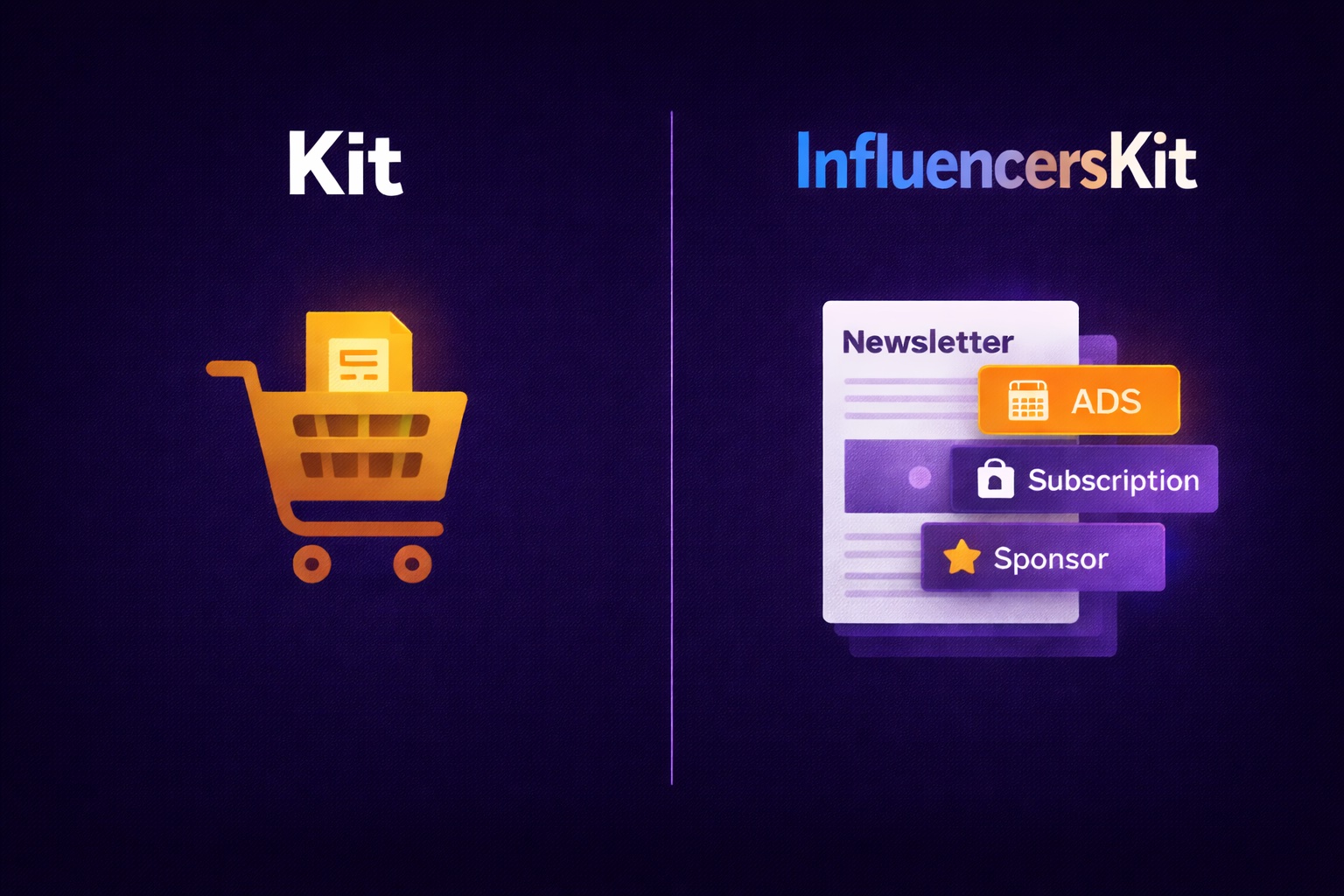
Kit (ConvertKit) vs InfluencersKit: The Honest Comparison for Creators Who Want to Monetize
Kit was built for creators who sell courses and digital products. InfluencersKit was built for creators who monetize through ads, sponsorships, and paid subscriptions. Direct, fair, data-driven comparison — with real pricing at every tier and a clear verdict by creator type.
Substack vs InfluencersKit: Which Platform Is Actually Better for Creators in 2026?
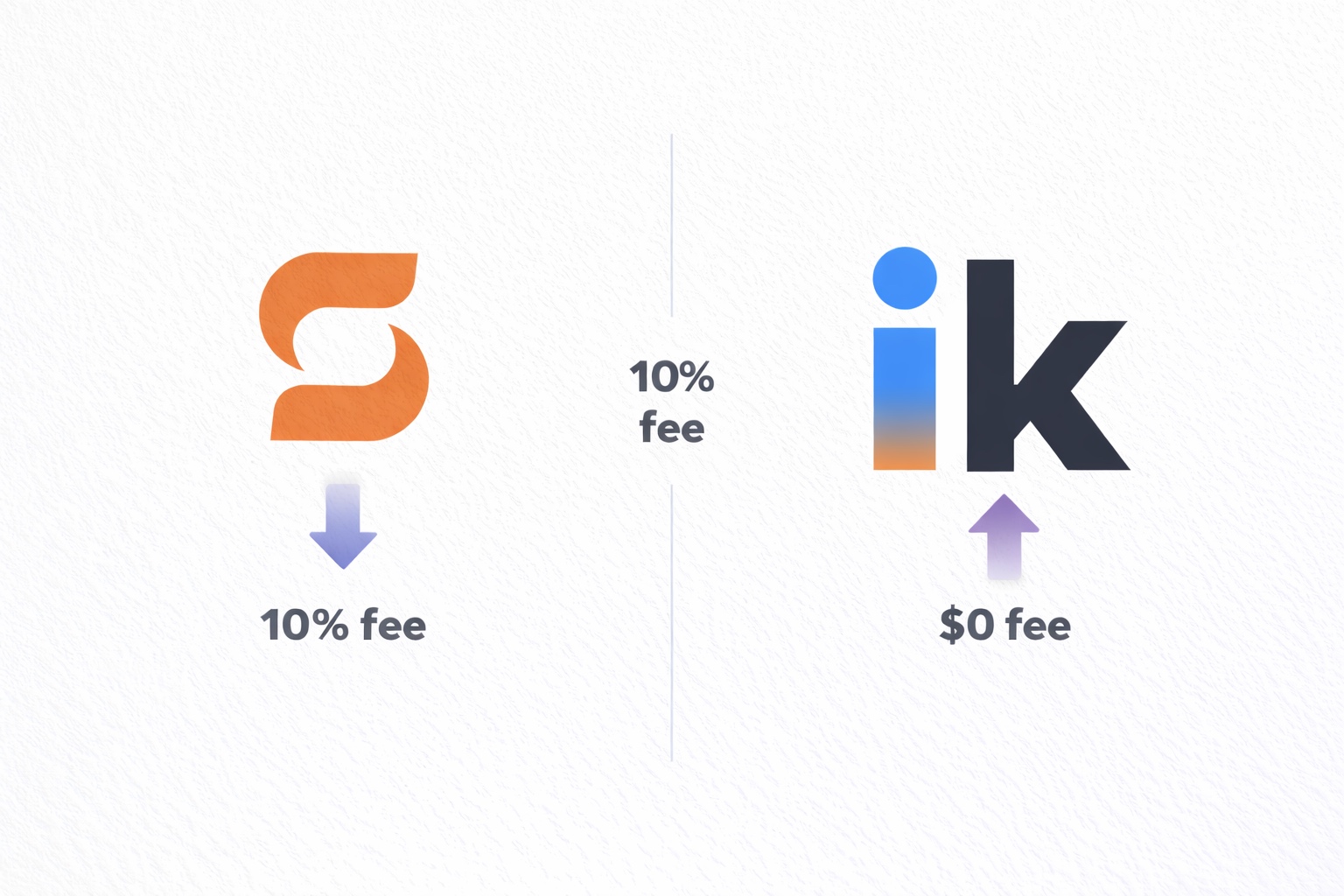
Substack's 10% fee costs you $6,000/year at $5,000/month in subscription revenue. A fair but complete comparison: pricing at every revenue tier, monetization features (where the gap is enormous), growth tools, and who should actually use which platform.

Mailchimp for Creators: Why It's Not Built for Content Monetization (+ Better Alternatives)
Mailchimp is powerful for e-commerce, but falls short for content creators. Discover why creator-specific platforms offer better monetization, growth tools, and value for newsletters and content businesses.

Ghost vs Substack vs Email Marketing Platforms: Complete Comparison for Creators
Choosing between Ghost, Substack, and email platforms? This detailed comparison breaks down pricing, monetization, and features to help creators pick the right tool.

Beehiiv vs ConvertKit vs InfluencersKit: Best Email Platform for Creators 2026
Comprehensive comparison of the top 3 email platforms for creators. Real pricing at every tier, feature breakdowns, monetization capabilities, and honest recommendations for different creator types.

ConvertKit Alternatives: 10 Email Platforms for Creators (Pricing & Features Compared)
Complete comparison of the best ConvertKit alternatives for newsletter creators. Real pricing at every tier, honest pros and cons, and which platform actually fits your needs and budget in 2026.

Moving Your Newsletter? The List Is the Easy Part.
The CSV moves in five minutes. Sender reputation, unsubscribes, paid subscriptions, automations and old signup forms do not. The order that gets a newsletter to a new platform without losing inbox placement or emailing people who opted out.

Beehiiv vs Substack: The Honest Platform Comparison for Newsletter Creators (2026)
Substack charges 10% on paid subscriptions forever. Beehiiv charges 2.9% with growth tools and an ad network. But the real comparison runs deeper — discovery networks, automation depth, data ownership, and who each platform was actually built for. A complete breakdown including when neither is the right answer.