How to Build an Email List as a Content Creator: 0 to 10,000 Subscribers
The complete roadmap for growing your email list from zero to 10,000 engaged subscribers. Real timelines, proven strategies, and actionable tactics that actually work in 2026.
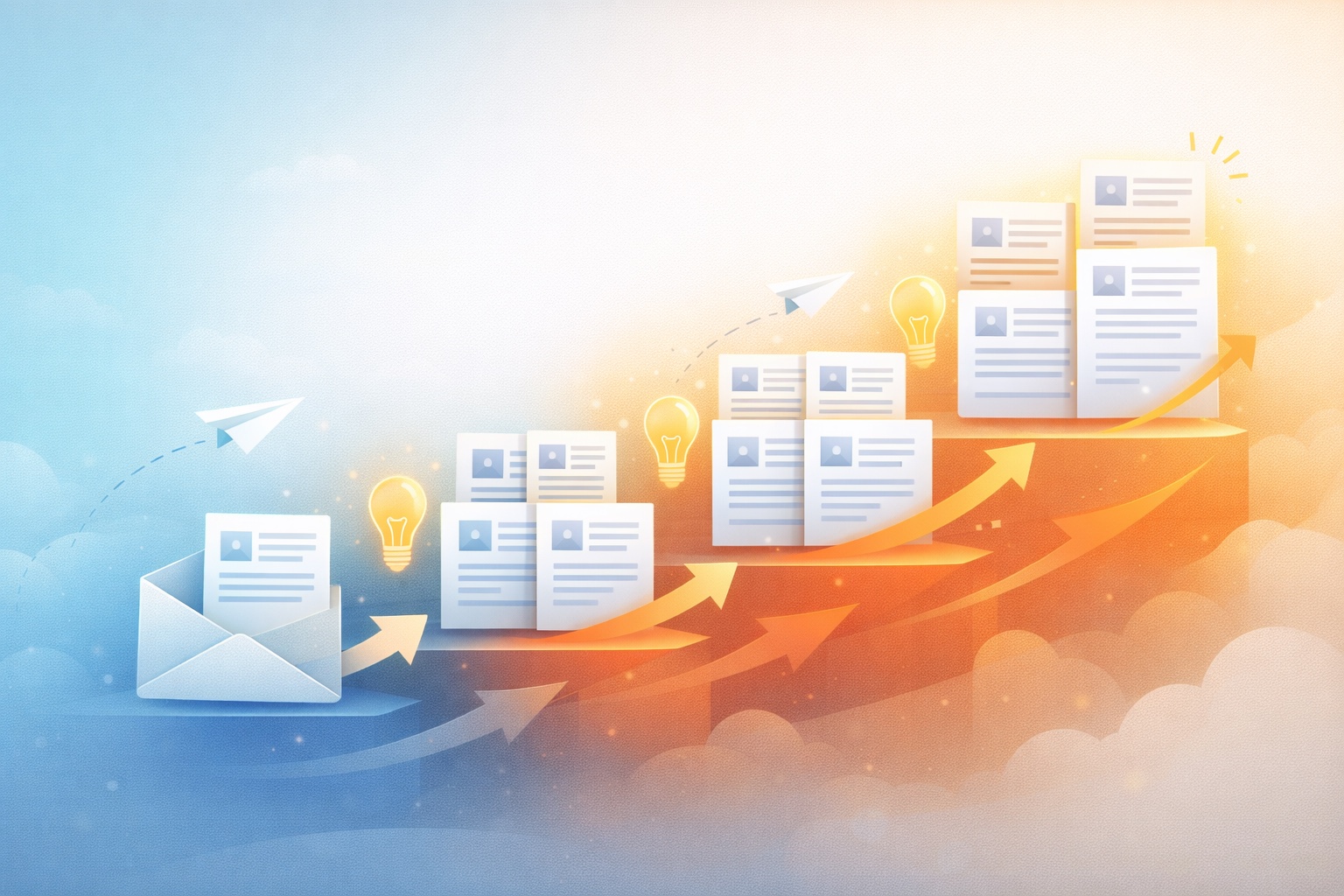
You've heard it a hundred times: "Build an email list." Every successful creator says it. Every marketing guru preaches it. But nobody tells you the actual step-by-step process of going from zero subscribers to 10,000. That changes today.
I've analyzed the growth strategies of hundreds of creators who've built substantial email lists—some in 6 months, others over 2-3 years. The ones who succeeded followed similar patterns. The ones who struggled made predictable mistakes. And the good news? List building is a skill you can learn, not a mysterious talent you're born with.
Here's what most people get wrong: They think building an email list is about tactics—popup timing, lead magnet ideas, landing page optimization. Those matter, but they're not the foundation. The foundation is understanding why people subscribe in the first place and building your entire strategy around that insight.
In this comprehensive guide, I'm breaking down the exact process creators use to grow from 0 to 10,000 email subscribers. You'll learn the psychology behind why people give you their email address, the proven growth strategies that work in 2026, realistic timelines based on your platform and niche, and the mistakes that kill momentum.
Whether you're just starting and have zero subscribers, or you're stuck at 500 and can't break through, this guide will show you the path forward. Let's build your email list.
Why People Actually Subscribe (And Why Most Creators Get This Wrong)
Before tactics, you need to understand the psychology. People don't give their email address lightly in 2026. Their inbox is sacred space, already overflowing with newsletters, promotions, and noise. For them to voluntarily add you to that chaos, you need to clear a high bar.
The Three Reasons People Subscribe:
1. Immediate Value Exchange
"Give me your email and I'll give you this valuable thing right now."
- Lead magnets (checklists, templates, guides)
- Free tools or resources
- Exclusive content or early access
- Discount codes or special offers
Conversion rate: 15-40% (highest converting)
2. Ongoing Value Promise
"Subscribe and you'll get consistent valuable content delivered to your inbox."
- Weekly insights, tips, or analysis
- Curated recommendations
- Industry news and commentary
- Regular entertainment or inspiration
Conversion rate: 5-15% (depends on trust/brand)
3. FOMO (Fear of Missing Out)
"Everyone's talking about this newsletter, I don't want to miss out."
- Social proof (subscriber counts, testimonials)
- Exclusive access to popular creator
- Community belonging
- Keeping up with trends or conversations
Conversion rate: 2-8% (hardest to trigger)
The mistake most creators make: They rely solely on #2 (ongoing value promise) without #1 (immediate value). "Subscribe to my newsletter for weekly tips" is vague and low-converting. "Download my free Social Media Content Calendar (+ get weekly tips)" combines immediate and ongoing value—much higher conversion.
The Email Subscription Decision Tree:
When someone encounters your newsletter signup, they subconsciously ask three questions:
- "What's in it for me right now?" (Lead magnet, free resource)
- "What will I get regularly?" (Content promise, frequency, format)
- "Can I trust this person?" (Social proof, credibility, brand)
You need strong answers to at least 2 of these 3 questions to convert effectively. The best newsletter signups answer all three.
The Foundation: What You Need Before Growth Tactics
Too many creators jump straight to "growth hacks" without building the foundation. You'll waste time and money if you skip these essentials:
1. Clear Value Proposition
Can you explain what your newsletter delivers in one sentence? If not, subscribers can't either, which means they won't refer friends or advocate for you.
Bad value propositions:
- "Thoughts on marketing and business"
- "Weekly newsletter about tech"
- "My journey as a creator"
Good value propositions:
- "The weekly breakdown of viral marketing campaigns and why they worked"
- "AI tools and automation for non-technical founders"
- "Behind-the-scenes of building a 7-figure creator business"
Notice the difference? Good value propositions are specific about who it's for and what they'll learn. Test yours with this question: Would someone know if your newsletter is relevant to them?
2. Compelling Lead Magnet
Your lead magnet is the single most important factor in conversion rate. A great lead magnet can convert 30-40% of visitors. A weak one converts 3-5%.
High-Converting Lead Magnet Formats:
- Checklists: "The 47-Point Newsletter Launch Checklist" (Easy to create, high perceived value)
- Templates: "Email Subject Line Swipe File (100+ Proven Templates)" (Immediately useful)
- Resource lists: "The Ultimate List of 50+ Free Tools for Creators" (Saves time)
- Mini-guides: "The 10-Page Guide to Your First 1,000 Subscribers" (Quick wins)
- Spreadsheet tools: "Revenue Calculator for Newsletter Creators" (Interactive value)
- Video trainings: "20-Minute Masterclass on Newsletter Monetization" (High value, requires more work)
What Makes a Lead Magnet Work:
- Solves ONE specific, painful problem
- Delivers quick wins (can be consumed and applied in under 30 minutes)
- Directly relevant to your newsletter topic
- Professionally designed (even simple = professional is fine)
- High perceived value (should feel like something worth $50-100)
3. Optimized Signup Landing Page
Your landing page is where conversions happen. Here's the proven structure:
Landing Page Anatomy (Top to Bottom):
Above the Fold:
- Headline: Lead magnet benefit (not just name)
- Subheadline: Who it's for and why now
- Email capture form: Just email (name optional)
- CTA button: Clear action ("Get the Free Guide")
- Visual: Mockup of lead magnet or relevant image
Below the Fold:
- "What you'll get": 3-5 specific bullets
- Social proof: Subscriber count, testimonials, or results
- Preview/sample: Screenshot or excerpt
- Creator credibility: Brief bio or credentials
- Second CTA: Repeat email form
- Privacy note: "No spam, unsubscribe anytime"
4. Consistent Publishing Schedule
You can't grow a list if you're inconsistent. Decide on frequency and stick to it:
- Daily: Hard to maintain, best for news/commentary formats
- 3x/week: Sweet spot for growth and engagement
- Weekly: Minimum viable frequency, works for in-depth content
- Bi-weekly: Too infrequent for momentum, subscribers forget you
Consistency matters more than frequency. Better to send weekly reliably than 3x/week inconsistently. Pick a schedule you can maintain for 6-12 months.
Growth Strategy #1: Social Media Conversion (Fastest Path to First 1,000)
If you already have any social media following—even just 500-1,000 followers—converting them to email subscribers is your fastest growth path. Here's exactly how:
Platform-Specific Conversion Tactics:
Twitter/X (Best platform for newsletter growth)
- Bio optimization: Include newsletter link + one-line value prop
- Pinned tweet: Thread about your newsletter with signup link
- Weekly promotion: Every 7-10 tweets, promote newsletter naturally
- Thread CTAs: End valuable threads with "Want more like this? Subscribe to my newsletter [link]"
- Viral hooks: When tweets go viral, reply with newsletter signup within 1 hour
Expected conversion: 5-12% of engaged followers
- Link in bio: Use link tree with newsletter as top option
- Stories: Weekly "link sticker" promoting lead magnet
- Post captions: Tease newsletter content, link in bio
- Highlights: Dedicated "Newsletter" highlight with benefits
- Reels hook: "Full guide in my free newsletter (link in bio)"
Expected conversion: 3-8% of engaged followers
YouTube
- Video end screens: Newsletter signup as clickable element
- Description: Newsletter link in first 2 lines
- Pinned comment: Lead magnet link in pinned comment
- Mid-video mention: "Download the free checklist (link below)"
- Community tab: Regular newsletter updates and promotion
Expected conversion: 2-5% of engaged subscribers
- Featured section: Newsletter as featured link
- About section: Clear newsletter value prop and link
- Post CTAs: "Read the full analysis in my newsletter [link]"
- Article cross-posting: Tease on LinkedIn, full version in newsletter
- Comment engagement: Valuable comments ending with subtle newsletter mention
Expected conversion: 4-10% of engaged connections (B2B audiences convert higher)
The Content Tease Method:
This is the most effective social media conversion strategy in 2026:
- Create 80% version on social: Share valuable content that stands alone
- Reference 20% in newsletter: "Full framework with templates in my newsletter"
- Make 20% genuinely valuable: Not clickbait—actual additional value
- Consistent pattern: Train audience to expect this
Example: Twitter thread with 7 tips, mention "Plus 3 bonus strategies + downloadable checklist in my newsletter." The thread is valuable on its own, the newsletter adds genuine extra value.
Growth Strategy #2: Cross-Promotion and Collaborations
Once you have 500+ subscribers, cross-promotion becomes viable and powerful. This is how creators grow from 1,000 to 10,000 most quickly.
Newsletter Recommendations (Most Effective):
Many newsletter platforms now have built-in recommendation features. When someone subscribes to your newsletter, they see recommendations for similar newsletters. This is pure gold.
How Recommendations Work:
- You recommend 3-5 similar (non-competing) newsletters
- They recommend yours
- New subscribers see these recommendations after signup
- 30-50% of new subscribers will subscribe to 1-2 recommendations
Finding Recommendation Partners:
- Similar niche but different angle (complement, don't compete)
- Similar audience size (within 50% of your subscriber count)
- Similar values and quality standards
- Regular publisher (not sporadic)
Expected Results:
If you add 100 subscribers/week and have 3 active recommendation partners, expect 40-60 additional subscribers/week from recommendations alone.
Direct Shoutouts and Swaps:
Coordinate with other creators to directly promote each other's newsletters:
- Newsletter swaps: Feature each other in dedicated sections (150-200 words)
- Social media shoutouts: Coordinate posts recommending each other
- Guest contributions: Write for each other's newsletters with bio + signup link
- Co-created content: Joint webinars, interviews, or resources with both lists promoted
Conversion rates: 2-5% of the partner's list typically converts. A shoutout to a 5,000-subscriber newsletter might net you 100-250 new subscribers.
Podcast Appearances:
Being a guest on relevant podcasts is underutilized for newsletter growth:
The Podcast Growth System:
- Target podcasts: 1,000-20,000 listeners in your niche
- Pitch value: Unique angle or expertise (not just promotion)
- Deliver exceptional content: Give your best insights
- CTA at end: Offer free lead magnet, mention newsletter
- Show notes: Ensure newsletter link in description
- Promote episode: Share to your audience (helps podcast, builds relationship)
Expected Results:
One podcast appearance with 5,000 listeners typically generates 50-150 new subscribers if you have a compelling lead magnet and clear CTA.
Growth Strategy #3: Content Marketing and SEO
This is the slowest to start but most sustainable long-term. Blog content that ranks in Google creates a passive subscriber acquisition channel that compounds over time. Once you have subscribers, monetize them from day one.
The Blog-to-Newsletter Funnel:
- Publish SEO-optimized blog posts: Target keywords with search volume in your niche. Then grow your list with a referral program.
- Embed newsletter signups: Mid-content and end-of-post CTAs: Mid-content and end-of-post CTAs with relevant lead magnets
- Convert readers: 5-15% of blog readers subscribe if content is valuable. A high-converting landing page dramatically improves that rate. and CTA is relevant
- Compound growth: Each ranking post continues generating subscribers for years
High-Converting Blog Topics for Newsletter Growth:
- "How to" guides: Readers looking for solutions are primed to subscribe
- Tool comparisons: "X vs Y vs Z" posts attract high-intent readers
- Templates and frameworks: Offer downloadable versions via email. See how YouTubers do this for their newsletters.
- "Ultimate guides": Comprehensive resources with newsletter CTA for updates
- Case studies: "How I did X" with newsletter for more stories
Timeline and Expectations:
- Months 1-3: Minimal traffic (Google indexing). In the meantime, focus on converting your social followers to email.
- Months 4-6: Beginning to rank, 50-200 visitors/month per post
- Months 7-12: Ranking improves, 200-1,000 visitors/month per post
- Year 2+: Compounding traffic, top posts generate 1,000-5,000 visitors/month
Reality: You need 10-20 blog posts before SEO meaningfully contributes to newsletter growth. But once it kicks in, it's the most sustainable channel.
Growth Strategy #4: Paid Acquisition (When It Makes Sense)
Most creators shouldn't run paid ads for newsletter growth. But in specific situations, it can work. Here's when and how:
When Paid Acquisition Makes Sense:
- You have proven subscriber LTV ($50+ lifetime value per subscriber)
- You've already maximized free channels
- You have budget to lose while testing ($500-1,000 minimum)
- You're in a high-value niche (B2B, finance, professional)
Paid Channel Options:
Newsletter Advertising Networks
Advertise your newsletter in other newsletters (SparkLoop, Paved, Swapstack)
- Cost per subscriber: $1-5 depending on niche
- Quality: High (targeted, already newsletter readers)
- Minimum spend: $500-1,000 typically
Social Media Ads (Lead Forms)
Facebook/Instagram/LinkedIn lead gen campaigns
- Cost per subscriber: $2-10 depending on targeting
- Quality: Medium (cold traffic, need strong nurture)
- Minimum spend: $500/month for meaningful testing
Content Promotion
Boost high-performing content with email signup CTAs
- Cost per subscriber: $0.50-3 (cheapest method)
- Quality: Medium-high (interested in content topic)
- Minimum spend: $200-500 per content piece
Reality check: Don't run paid ads until you're monetizing subscribers and know your LTV. If subscribers are worth $50 lifetime and acquisition costs $3, that's profitable. If subscribers are worth $5 and acquisition costs $3, you're burning money.
The Realistic Growth Timeline: 0 to 10,000 Subscribers
Everyone wants to know: "How long will this take?" The answer depends on your starting point, but here are realistic timelines based on different scenarios:
Scenario 1: Starting from Zero (No Existing Audience)
Month 1-3: Foundation (0 → 100 subscribers)
- Create lead magnet and landing page
- Publish first 10-15 newsletters
- Start building social media presence
- Share with personal network
- Expected: 30-100 subscribers
Month 4-9: Early Growth (100 → 500 subscribers)
- Consistent social media content
- First cross-promotion partners
- SEO content starting to index
- Growth rate: 50-80 subs/month
- Expected: 500 subscribers at month 9
Month 10-18: Acceleration (500 → 2,500 subscribers)
- Multiple recommendation partnerships
- SEO traffic kicking in
- Social media growth compounding
- Growth rate: 150-250 subs/month
- Expected: 2,500 subscribers at month 18
Month 19-36: Scale (2,500 → 10,000 subscribers)
- Established SEO presence
- Strong social media following
- Active recommendation network
- Possible paid acquisition
- Growth rate: 350-500 subs/month
- Expected: 10,000 subscribers at month 30-36
Total Timeline: 2.5-3 years to 10,000 subscribers
Scenario 2: With Existing Audience (5,000+ social followers)
Month 1-2: Initial Conversion (0 → 500 subscribers)
- Announce newsletter to existing audience
- Convert 5-10% of engaged followers
- Multiple promotion posts
- Expected: 250-500 subscribers
Month 3-6: Momentum (500 → 2,000 subscribers)
- Continue social conversion
- Start cross-promotions
- Consistent publishing builds trust
- Growth rate: 250-400 subs/month
- Expected: 2,000 subscribers at month 6
Month 7-15: Scale (2,000 → 10,000 subscribers)
- Established recommendation network
- SEO content producing results
- Growing social presence
- Growth rate: 500-900 subs/month
- Expected: 10,000 subscribers at month 12-15
Total Timeline: 12-18 months to 10,000 subscribers
Scenario 3: Aggressive Multi-Channel (Budget + Time)
With paid acquisition, active cross-promotion, and consistent content:
- Month 1-3: 0 → 1,000 subscribers (aggressive paid + social)
- Month 4-6: 1,000 → 3,000 subscribers (scale what works)
- Month 7-9: 3,000 → 6,000 subscribers (compounding effects)
- Month 10-12: 6,000 → 10,000 subscribers (full momentum)
Total Timeline: 10-12 months to 10,000 subscribers
Cost: $3,000-8,000 in paid acquisition
Retention: Why Most Creators Focus on the Wrong Metrics
Growing to 10,000 subscribers means nothing if 7,000 of them are inactive. The metric that matters isn't total subscribers—it's engaged subscribers. Here's how to maintain quality while scaling:
The Engagement Health Metrics:
What "Healthy" Looks Like at Different Sizes:
1,000 Subscribers:
- Open rate: 45-60% (newer list, highly engaged)
- Click rate: 8-15%
- Unsubscribe rate: Under 0.3% per send
5,000 Subscribers:
- Open rate: 40-50% (still strong)
- Click rate: 6-12%
- Unsubscribe rate: 0.2-0.4% per send
10,000+ Subscribers:
- Open rate: 35-45% (mature list)
- Click rate: 5-10%
- Unsubscribe rate: 0.2-0.5% per send
List Hygiene Best Practices:
- Quarterly cleaning: Remove subscribers who haven't opened in 6 months
- Re-engagement campaigns: "Still interested?" email before removing inactive subs
- Welcome sequence: First 5 emails are critical—set expectations and deliver value
- Consistent quality: Don't dilute content quality as you grow
- Segment inactive users: Send them different content or reduce frequency
Counterintuitive truth: Removing 2,000 inactive subscribers from a 10,000-person list often increases total engagement and monetization. A clean 8,000-subscriber list with 45% open rates is more valuable than a bloated 10,000-subscriber list with 30% open rates.
Common Growth Mistakes That Kill Momentum
After analyzing hundreds of creator newsletter growth journeys, these mistakes appear repeatedly:
Mistake #1: No Clear Lead Magnet
"Subscribe for weekly tips" converts at 3-5%. "Download the free [specific resource]" converts at 20-35%. The difference is $10,000+ in lost subscriber growth over a year. Create a compelling lead magnet before doing anything else.
Mistake #2: Inconsistent Publishing
Sending 3 newsletters one week, then nothing for 2 weeks, then 2 in one day destroys trust and engagement. Pick a schedule and stick to it religiously for at least 6 months. Consistency builds momentum.
Mistake #3: Ignoring Existing Channels
Creators with 10,000 Instagram followers who struggle to get 500 email subscribers aren't promoting their newsletter enough. You should mention your newsletter at least weekly on every platform you're active on. Your audience won't subscribe if they don't know it exists.
Mistake #4: Buying Subscribers
Never, ever buy email lists or use "subscriber growth services" that promise 10,000 subscribers for $500. These are fake, inactive, or scraped emails that will destroy your sender reputation and get you blacklisted. Organic growth only.
Mistake #5: No Social Proof
Landing pages without subscriber counts, testimonials, or credibility signals convert poorly. Even "Join 247 creators getting weekly insights" is better than no social proof. Add subscriber count milestones (round to nearest 50-100 for small lists).
Mistake #6: Optimizing Too Early
Spending weeks A/B testing landing page copy when you have 100 subscribers is premature optimization. Focus on creation and promotion until you hit 1,000 subscribers, then start optimizing conversion rates.
Mistake #7: Forgetting to Ask
The simplest growth tactic: Ask your existing subscribers to forward your newsletter to someone who'd benefit. Include this in 1 out of every 5-7 emails. "Know someone who'd love this? Forward it to them!" can drive 5-10% of your growth.
Advanced Tactics: Scaling from 5,000 to 10,000
Once you're past 5,000 subscribers, different tactics become viable and necessary to maintain growth:
Tactic 1: Referral Programs
Built-in referral systems (like SparkLoop) incentivize subscribers to refer friends:
Referral Reward Tiers:
- 1 referral: Access to exclusive content or template
- 5 referrals: Digital product or course
- 10 referrals: 1-on-1 call or premium resource
- 25 referrals: Annual subscription or high-value offer
Expected Results:
10-20% of subscribers will refer at least 1 person. Your top 2-5% of subscribers might refer 5-10+ people. A 5,000-subscriber newsletter with a referral program can generate 300-600 additional subscribers over 6 months.
Tactic 2: Content Upgrades
Create multiple lead magnets specific to different content topics:
- Blog post about email marketing → "Email Subject Line Template Pack"
- Social post about productivity → "Productivity Checklist"
- Video about newsletter monetization → "Monetization Calculator"
Topic-specific lead magnets convert 2-3x better than generic ones because they're highly relevant to what the person is consuming right now.
Tactic 3: Webinars and Live Events
Host free webinars or live training sessions that require email registration:
Webinar Growth Formula:
- Choose topic with clear value and pain point
- Promote for 7-10 days across all channels
- Require email to register (use landing page)
- Send reminder sequence (3-4 emails)
- Deliver exceptional content on webinar
- Follow up with recording + next steps
Expected Results:
A well-promoted webinar to a 5,000-person audience can generate 200-500 registrations (new email subscribers), with 40-50% attending live.
Tactic 4: Community Building
Create a free community (Discord, Slack, Circle) that requires email signup to join. The community becomes both a newsletter growth channel and an engagement mechanism.
Tools and Infrastructure for Sustainable Growth
The right tools make growth easier. Here's the essential stack for building to 10,000 subscribers:
Core Infrastructure:
Email Platform (Choose One):
- InfluencersKit: Best for creators, built-in monetization (Free → $49 → $99 → $324 at 100K, self-serve to 500K)
- Beehiiv: Strong growth features, good for newsletter-focused ($0-99/month)
- ConvertKit: Powerful automation, pricier ($29-149/month at 1K-10K subs)
Landing Page Builder:
- Most email platforms include this now
- Alternative: Carrd ($19/year), Webflow (free tier), Framer (free tier)
Lead Magnet Creation:
- Design: Canva (free or $13/month Pro)
- PDFs: Google Docs + Canva
- Spreadsheets: Google Sheets or Airtable
Growth Tools (Optional):
- SparkLoop: Referral program automation ($50-200/month)
- Swapstack: Find cross-promotion partners (free)
- Link-in-bio: Linktree, Beacons, or Carrd (free-$10/month)
Essential Integrations:
- Google Analytics: Track landing page performance
- Social media scheduling: Buffer, Hootsuite, or Later for consistent promotion
- Link tracking: Bitly or UTM parameters to track source performance
Your 90-Day Action Plan: First 1,000 Subscribers
Let's make this concrete. Here's your exact roadmap for the first 90 days:
Week 1-2: Setup
Tasks:
- Choose and set up email platform
- Create your lead magnet (spend serious time here—this is critical)
- Build landing page for lead magnet
- Write welcome email sequence (3-5 emails)
- Plan first 8-10 newsletter topics
- Set publishing schedule (weekly minimum)
Goal:
Infrastructure ready to start acquiring subscribers
Week 3-4: Launch
Tasks:
- Announce newsletter to personal network (email, social media)
- Update all social media bios with newsletter link
- Publish first 2-3 newsletters
- Share each newsletter on all platforms
- Ask friends/family to subscribe and share
Goal:
50-100 initial subscribers from warm network
Week 5-8: Consistent Promotion
Tasks:
- Publish weekly (minimum) on schedule
- Create 2-3 social media posts per week promoting newsletter
- Engage in relevant communities, include newsletter in signature
- Start reaching out to potential cross-promotion partners
- Optimize landing page based on initial feedback
Goal:
200-300 total subscribers (50-60/week growth)
Week 9-12: Acceleration
Tasks:
- Execute first cross-promotion with similar newsletter
- Publish first SEO-optimized blog post (if applicable)
- Test different lead magnet promotions on social media
- Analyze what's working, double down on best channels
- Ask existing subscribers for referrals
Goal:
500-700 total subscribers (75-100/week growth)
Measuring Success: The Metrics That Actually Matter
Track these metrics weekly to ensure you're on the right path:
Weekly Dashboard:
Growth Metrics:
- New subscribers: Track by source (social, cross-promo, SEO, etc.)
- Unsubscribes: Should stay under 0.5% per send
- Net growth: New subs minus unsubscribes
- Growth rate: % growth week-over-week
Engagement Metrics:
- Open rate: Should be 40%+ for healthy list
- Click rate: 5-12% is typical
- Reply rate: Qualitative but important
- Forward/share rate: Indicates viral potential
Conversion Metrics:
- Landing page conversion: Visitors to subscribers (aim for 20%+)
- Social conversion: Clicks to subscribers (track by platform)
- Cost per subscriber: If running paid acquisition
Rule of thumb: If you're growing 5-10% week-over-week consistently, you're on track. If growth stalls for 3+ weeks, diagnose and adjust strategy.
Conclusion: Your Email List is Your Most Valuable Asset
Building an email list from 0 to 10,000 subscribers isn't easy. It requires consistent effort, strategic thinking, and patience. But it's absolutely worth it.
Those 10,000 subscribers represent a direct communication channel to your most engaged audience. They're worth $500,000-2,000,000 in lifetime value if you monetize them properly. They're immune to algorithm changes. They're portable across platforms. They're yours.
The path is clear: Create a compelling lead magnet, build a simple landing page, publish consistently valuable content, and promote relentlessly across every channel you have access to. Stack growth methods—social conversion + cross-promotion + SEO + referrals—and compound growth accelerates.
Start today. Not tomorrow, not next week. Create your lead magnet this week. Set up your landing page next week. Publish your first newsletter the week after. The creators who succeed are simply the ones who start and don't stop.
You don't need a massive social media following. You don't need a huge budget. You don't need to be famous. You just need valuable knowledge to share and the commitment to share it consistently.
Your first 1,000 subscribers are the hardest. But once you hit that milestone, momentum builds. Growth compounds. Opportunities multiply. And suddenly, 10,000 subscribers feels inevitable rather than impossible.
The question isn't whether you can build an email list of 10,000 subscribers. The question is: When will you start?
Start Building Your Email List Today
InfluencersKit makes it incredibly easy to build and grow your email list. Beautiful landing pages, powerful lead magnet delivery, seamless welcome sequences, and built-in growth tools—all in one platform designed specifically for content creators.
Plus, start monetizing from subscriber #1 with built-in programmatic ads. No waiting until you hit 10,000 subscribers to make money—earn revenue while you grow.
Start your free 14-day trial today and build the email list that transforms your creator business. No credit card required.
Stay Updated
Get the latest insights, strategies, and tips delivered directly to your inbox. Join thousands of creators who are building their email communities with our weekly newsletter.
No spam, unsubscribe at any time. We respect your privacy.
Related Articles

They Unsubscribed, Then Signed Up Again. Now What?
Only the reader can reverse an unsubscribe. A fresh signup is a request, not proof. Why imports, forms and bulk edits quietly resubscribe people, and how to build a confirmation step that a link scanner or a stranger cannot trigger.

Newsletter Reactivation: How to Win Back Inactive Subscribers (With Templates)
Every newsletter has inactive subscribers silently dragging down deliverability. A well-designed reactivation campaign recovers 8–20% of them while identifying the truly unrecoverable. The four-part reactivation sequence, subject lines that break through inbox habituation, the list hygiene logic that improves metrics after removal, and the onboarding system that prevents inactivity from accumulating in the first place.

Newsletter Viral Loops: How to Make Your Subscribers Your Growth Engine
Most newsletter growth requires proportional effort. A viral loop changes this: each new subscriber creates a mechanism that brings in additional subscribers. The viral coefficient math, four loop architectures (referral, forward, access gate, social proof), stacking strategy, re-promotion system, and the content quality foundation that makes viral growth compound rather than spike.

Newsletter Cross-Promotion: How to Add 300-700 Subscribers Per Month at Zero Cost
A well-executed newsletter swap can generate 200–500 new subscribers in 48 hours at zero acquisition cost. The complete system: the 4-factor partner qualification criteria, five cross-promotion formats ranked by conversion rate, outreach pitch templates that get replies, and a monthly programme that produces subscriber growth reliably.
Your Readers Can Leave Without Ever Seeing Your Page.
Since 2024, Gmail and Yahoo require one-click unsubscribe. A mail-app button removes the reader instantly, with no page, no options and no reason. Your preference centre now reaches only footer-link leavers, so the 'less, not none' options belong inside the email.

Your List Grew 1,500 Overnight. None of Them Are Real.
A signup spike with no launch behind it is usually list bombing. Fifteen hundred fake signups can push a welcome stream to six times Gmail's complaint limit and overstate your list by 30% to sponsors. How to spot them, why Apple Mail hides some, and how to clean up without making it worse.

Moving Your Newsletter? The List Is the Easy Part.
The CSV moves in five minutes. Sender reputation, unsubscribes, paid subscriptions, automations and old signup forms do not. The order that gets a newsletter to a new platform without losing inbox placement or emailing people who opted out.

A Subscriber Is Worth $1.25 a Year. Now Price Your Ads.
Two sponsored slots at a $30 CPM with a 40% open rate earn about $1.25 per subscriber per year. Against a defensible CAC near $2 and cost-per-signup commonly $2-5, most paid acquisition is at or past break-even before you account for paid cohorts converting worse than organic ones.

You Cannot Pause a Newsletter. Only Stop Sending One.
Churn continues, acquisition stops, and sender reputation degrades fast while recovering over four to twelve weeks. Which makes an eight-week break cost far more than eight weeks — and makes reducing frequency a completely different decision from stopping.

Two Newsletters Earn $10k a Month. One Is Worth $100k More.
Same monthly income, very different sale price. Published multiples put paid subscription revenue around 24-42x MRR and sponsorship-supported newsletters closer to 20-32x, which means shifting your revenue mix beats a hard 30% growth year. The four discounts buyers apply, and why they are all decided 12-18 months before anyone makes an offer.

You Cannot Unsend a Newsletter. Write the Contract First.
A video can be unlisted, a post deleted. A send is gone, which means every piece of leverage you had disappears the moment you deliver. What actually needs to be in writing: the five-part payment clause, why you take a deposit, and the performance guarantee that makes you liable for someone else's landing page.
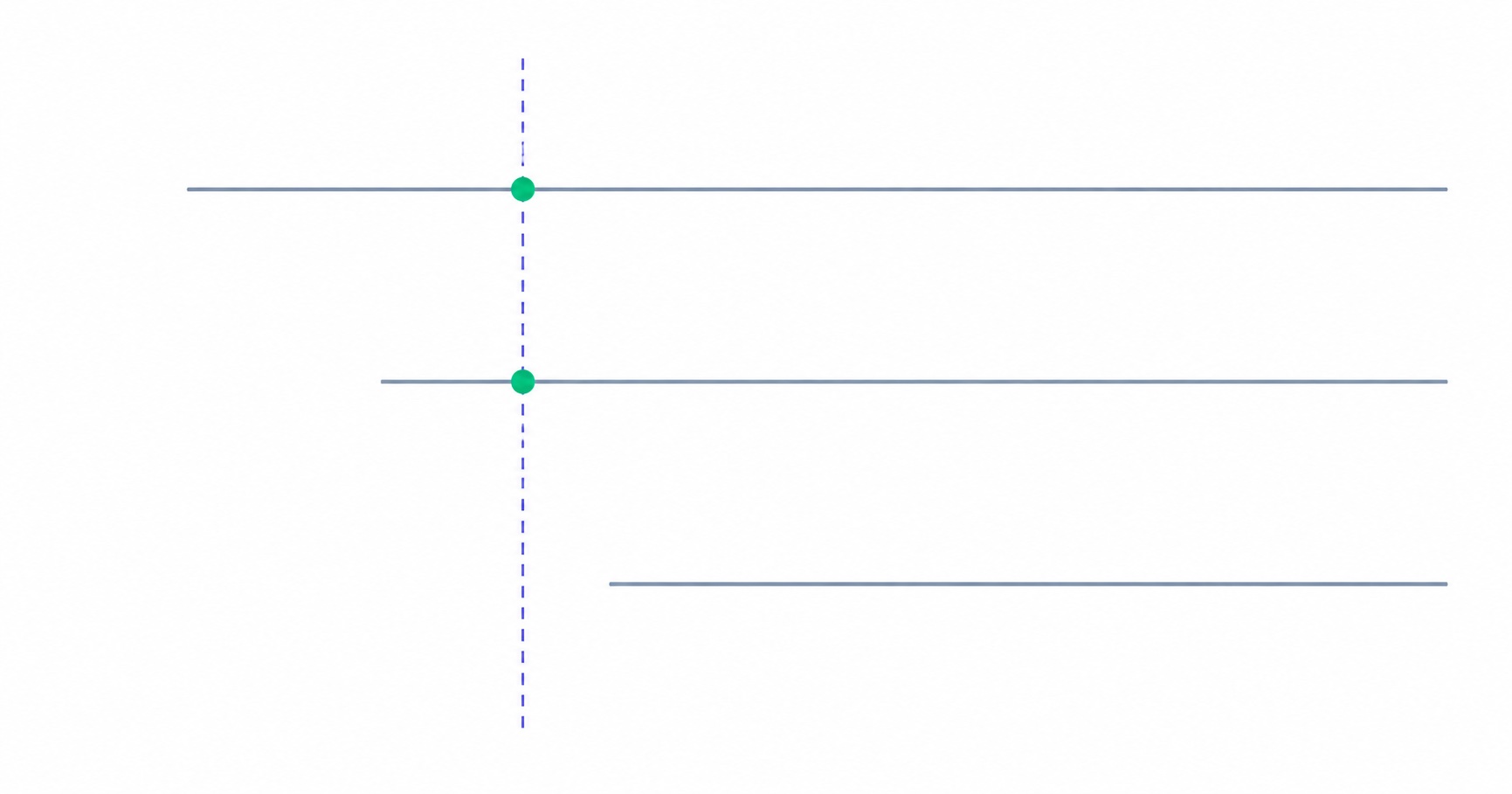
Your Free-to-Paid Rate Is Two Numbers Pretending to Be One
Long-tenured subscribers convert three to five times better than new ones, and later cohorts are acquired more broadly than early ones. Both effects correlate with join date, so they cancel inside your blended conversion rate — and the two situations they describe call for completely opposite responses. The same-tenure comparison that separates them.